Filter for Search for news Programme area Programme area1) Biodiversity in a Changing World2) Ecosystem Services for a Sustainable Future3) Dimensions of Complexity of Aquatic Systems4) Predictive Ecology in the Anthropocene Topic TopicAdaptation and evolutionFreshwater habitatsClimate and environmental changePollutants and matter cyclesWater in the landscapeFreshwater management and conservationFisheriesFish behaviour and swarm intelligence Format Formatpress releaseinsightshort newsfocus Apply 21 - 30 of 37 itemsTopic:Fish behaviour and swarm intelligence 29 July 2020 short news Lemon sharks – live fast, die young Risk-taking individuals are expected to grow better but also die faster than the less explorative individuals, according to the hypothesis that Félicie Dhellemmes and Jens Krause have tested. 25 July 2019 focus Big Fish = Bold Fish? An IGB study partially refutes the pace-of-life syndrome hypothesis. Ex-IGB doctoral student Giovanni Polverino, was able to show that the pace-of-life syndrome, much discussed in biology at present, does not appear under all conditions. 19 February 2019 press release Familiarity breeds aggression Aggressiveness among animals may increase the longer individuals live together in stable groups. This is the finding of a recent study carried out by researchers from IGB. The study, published in the journal Animal Behaviour used the Amazon molly to isolate the effects of familiarity on behaviour. 17 January 2019 short news Descendants of Phoenix Lesser Flamingos are the subject of a new book written by IGB scientist Lothar Krienitz. The book gives insights into the life of these mysterious water birds. 16 October 2018 press release Fish undisturbed by flash photography A team of scientists spearheaded by IGB has investigated whether flash photography induces an increase in cortisol levels of fish in aquariums. 28 September 2018 short news Excellent prospects for collective intelligence Great news for IGB scientist Jens Krause and his group: Two clusters initiatives on the subject of collective behaviour and intelligence will receive funding through the German Excellence Strategy starting 1 January 2019. 21 September 2018 press release Light pollution makes fish more courageous Artificial light at night also makes guppies more courageous during the day, according to a behavioural study led by researchers from IGB and the Max Planck Institute for Human Development. 3 September 2018 focus Social individuals find more food How do you find food when the food is never exactly present at the same place or time? Looking at wild guppies, the solution seems to be: being social and surrounding yourself with females. 3 July 2018 press release Spearfishing makes fishes more timid Fisheries scientists have studied the response of fish in the Mediterranean Sea to spearfishing. The fish are able to finely discriminate if divers carry a speargun or not and adjust their escape behaviour. 9 March 2018 short news No sex for all-female fish species They reproduce through gynogenesis. Their offspring are clones of the mother. According to established theories, the Amazon molly should have become extinct a long time ago. Well, why didn’t it? Pagination First page « First Previous page ‹‹ Page 1 Page 2 Current page 3 Page 4 Next page ›› Last page Last »
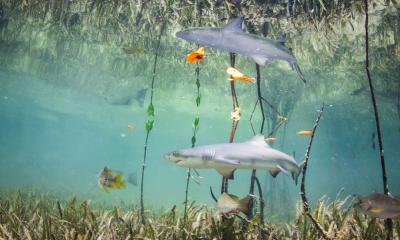
29 July 2020 short news Lemon sharks – live fast, die young Risk-taking individuals are expected to grow better but also die faster than the less explorative individuals, according to the hypothesis that Félicie Dhellemmes and Jens Krause have tested.
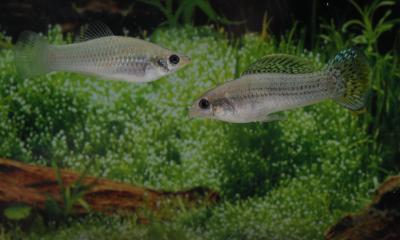
25 July 2019 focus Big Fish = Bold Fish? An IGB study partially refutes the pace-of-life syndrome hypothesis. Ex-IGB doctoral student Giovanni Polverino, was able to show that the pace-of-life syndrome, much discussed in biology at present, does not appear under all conditions.
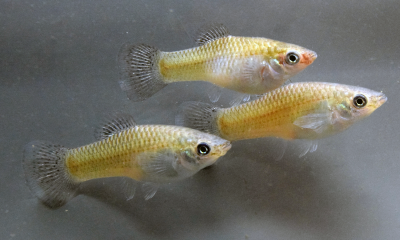
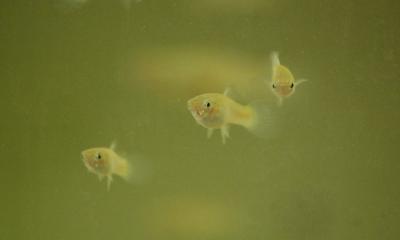
19 February 2019 press release Familiarity breeds aggression Aggressiveness among animals may increase the longer individuals live together in stable groups. This is the finding of a recent study carried out by researchers from IGB. The study, published in the journal Animal Behaviour used the Amazon molly to isolate the effects of familiarity on behaviour.
17 January 2019 short news Descendants of Phoenix Lesser Flamingos are the subject of a new book written by IGB scientist Lothar Krienitz. The book gives insights into the life of these mysterious water birds.
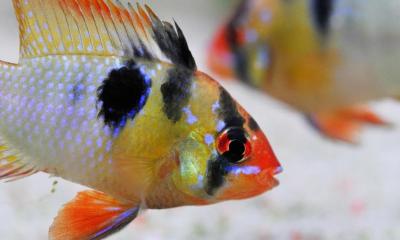
16 October 2018 press release Fish undisturbed by flash photography A team of scientists spearheaded by IGB has investigated whether flash photography induces an increase in cortisol levels of fish in aquariums.
28 September 2018 short news Excellent prospects for collective intelligence Great news for IGB scientist Jens Krause and his group: Two clusters initiatives on the subject of collective behaviour and intelligence will receive funding through the German Excellence Strategy starting 1 January 2019.
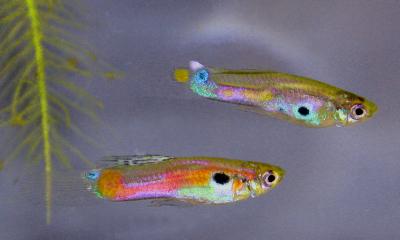
21 September 2018 press release Light pollution makes fish more courageous Artificial light at night also makes guppies more courageous during the day, according to a behavioural study led by researchers from IGB and the Max Planck Institute for Human Development.
3 September 2018 focus Social individuals find more food How do you find food when the food is never exactly present at the same place or time? Looking at wild guppies, the solution seems to be: being social and surrounding yourself with females.
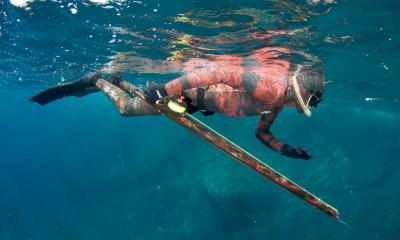
3 July 2018 press release Spearfishing makes fishes more timid Fisheries scientists have studied the response of fish in the Mediterranean Sea to spearfishing. The fish are able to finely discriminate if divers carry a speargun or not and adjust their escape behaviour.
9 March 2018 short news No sex for all-female fish species They reproduce through gynogenesis. Their offspring are clones of the mother. According to established theories, the Amazon molly should have become extinct a long time ago. Well, why didn’t it?