
Ponds fulfil a wide range of functions for us and other living creatures. Biodiversity safeguards these functions. | Photo: Solvin Zankl
The study included 206 small water bodies in seven European countries and covered a wide range of climate zones, landscapes, and pond types. For each pond, the research team recorded key environmental factors such as nutrient levels in the water, land use within a 100-meter radius, the pond’s size and depth, and climatic conditions. In addition, the researchers examined biodiversity across four main groups of freshwater fauna and flora: aquatic plants, small invertebrates (zooplankton), large invertebrates (macroinvertebrates), and amphibians. They synthesized this data into a multidiversity index that reflects the overall biodiversity of each pond. Finally, they assessed various ecosystem functions – such as methane emissions, algal production, animal biomass, and plant growth – to evaluate how biodiversity contributes to multifunctionality – the diversity of ecosystem functions.
Zooplankton diversity is a key determinant of high multifunctionality
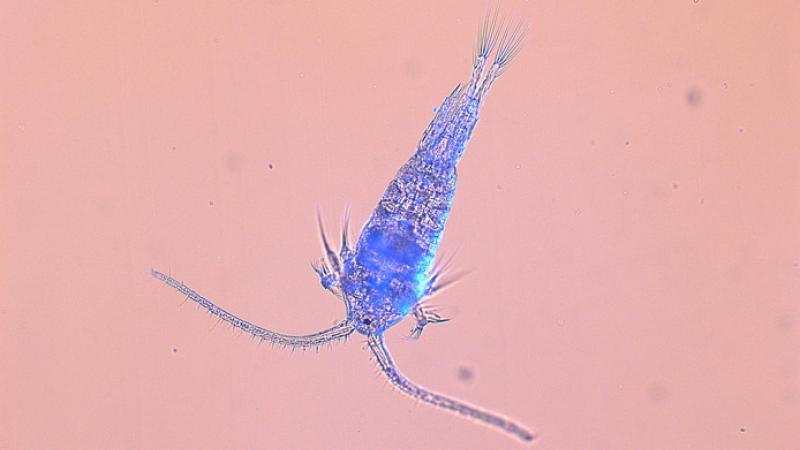
The results show a clear pattern: Ponds with greater species diversity exhibited higher ecosystem multifunctionality. Interestingly, not all groups contributed equally: zooplankton diversity proved to be one of the strongest indicators of multifunctionality. The higher the zooplankton diversity, the less methane was released and the lower the chlorophyll-a concentration – an indicator of algal growth. “The diversity of the tiniest animals in the pond can help maintain ecological functions. They feed on the algae and support energy transfer through the food web, which leads to lower emissions of harmful greenhouse gases,” said IGB researcher Dr. Thomas Mehner, a co-author of the study.
Ponds in arid regions benefit particularly from high species diversity
The study also shows that species diversity plays a greater role in arid climates. There, the researchers found a stronger correlation between species diversity and ecological functions than in humid areas. “One possible explanation is the so-called complementarity effect. This means that many species within the habitat play different ecological roles and can thus use resources more effectively in a harsh environment, thereby stabilizing the ecosystem’s functionality,” said Thomas Mehner.
Nutrient loading limits the functions of ponds
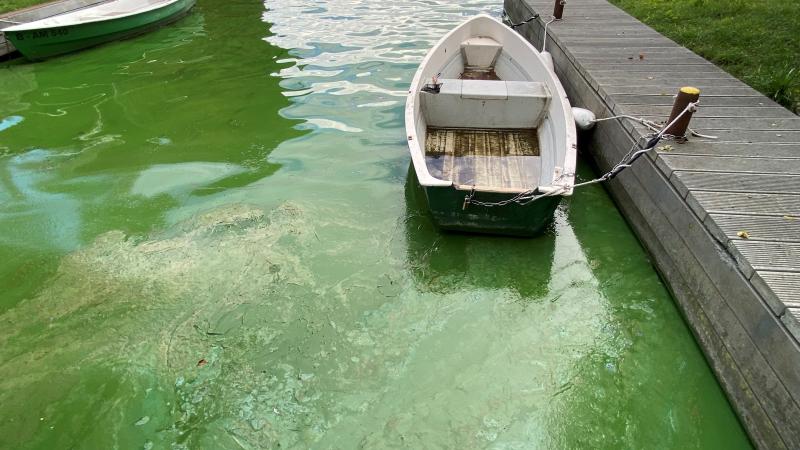
The study’s findings also corroborate a previously known phenomenon: that high nutrient loading impairs the functions of small water bodies. Many ponds are located on agricultural land. Fertilizers used in crop cultivation often increase the amount of nitrogen and phosphorus that enters nearby water bodies. This excessive nutrient accumulation (eutrophication) was linked in this study to reduced ecosystem multifunctionality. This reinforces current concerns that eutrophication remains one of the greatest threats to freshwater ecosystems throughout Europe. “Our study underscores the importance of promoting biodiversity in ponds, especially in arid regions, to preserve and enhance the ecological functions of these bodies of water,” said Mehner. “It also highlights the negative impacts of high nutrient loads on the multifunctionality of small water bodies.”
Read the article in Nature Ecology & Evolution >
***
What are ponds, and why are they important?
• Small water bodies include natural or artificial ponds, pools, puddles, park ponds, and stormwater retention basins that are less than one hectare in size.
• They account for more than 30 percent of the world’s inland water area.
• Due to their abundance, biodiversity (as “stepping stones” for amphibians and other species), and role in the carbon and nutrient cycles, they are important habitats for animals and plants and ecosystems for us humans.
• It is estimated that 50 to 90% of Europe’s small bodies of water have disappeared over the past century.
• Due to their small size, they often lack protected status.
• They frequently become “collection basins” for substances such as fertilizers, tire wear, etc.
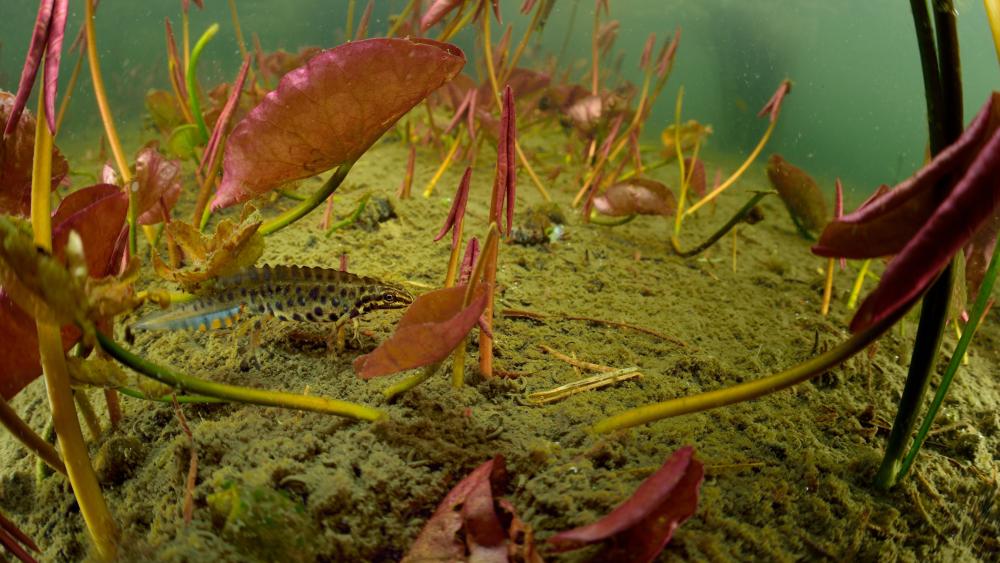
• The disappearance or degradation of small water bodies has clearly contributed to the decline of amphibians.
• Better protection is possible. For example, through riparian buffer zones separating them from agricultural land, the removal of impervious surfaces in urban areas, and habitat restoration.
• It is important to stabilize the water balance of the surrounding landscape to prevent drying out.