

Please find all scientific publications of IGB under > scientific publications
For more detailed information please refer to our > library catalogue
41 - 50 of 158 items
- Department:(Dept. 3) Plankton and Microbial Ecology
April 2025
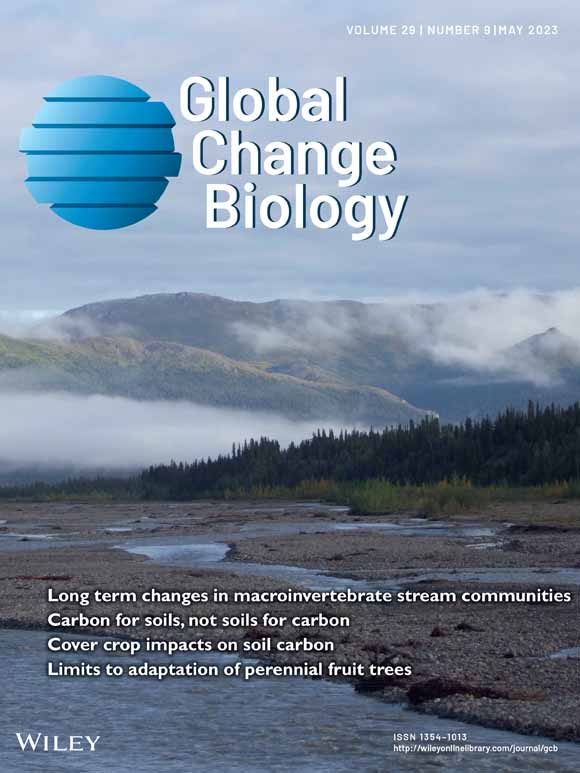
Global Change Biology. - 31(2025)4, Art. e70171
Positive Feedback on Climate Warming by Stream Microbial Decomposers Indicated by a Global Space-For-Time Substitution Study

April 2025
Oikos. - 2025(2025)6, Art. e11029
Longer durability of host–parasite interaction increases host density
March 2025
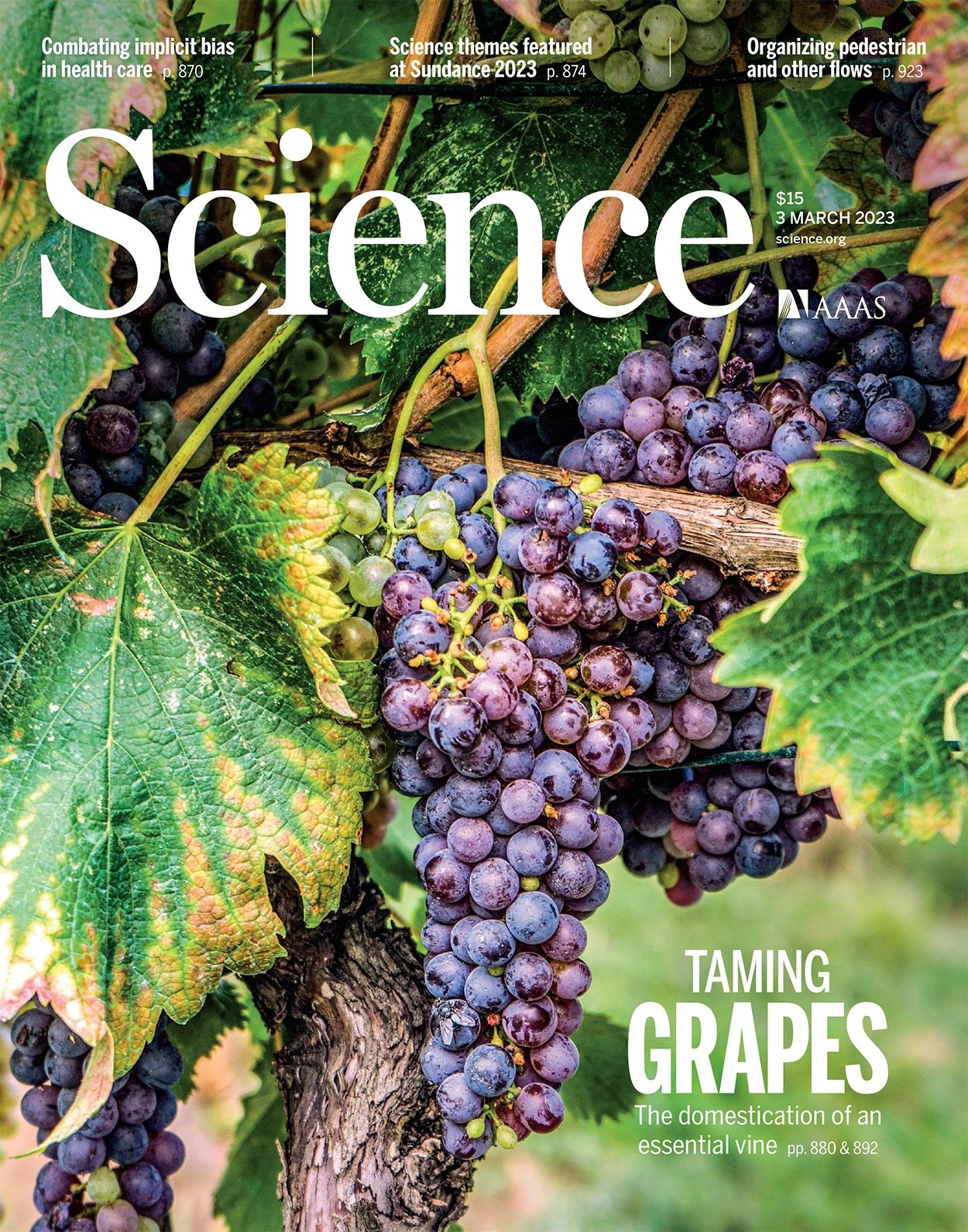
Science. - 387(2025)6739, 1181-1186
Environmental effects of the Kakhovka Dam destruction by warfare in Ukraine
March 2025
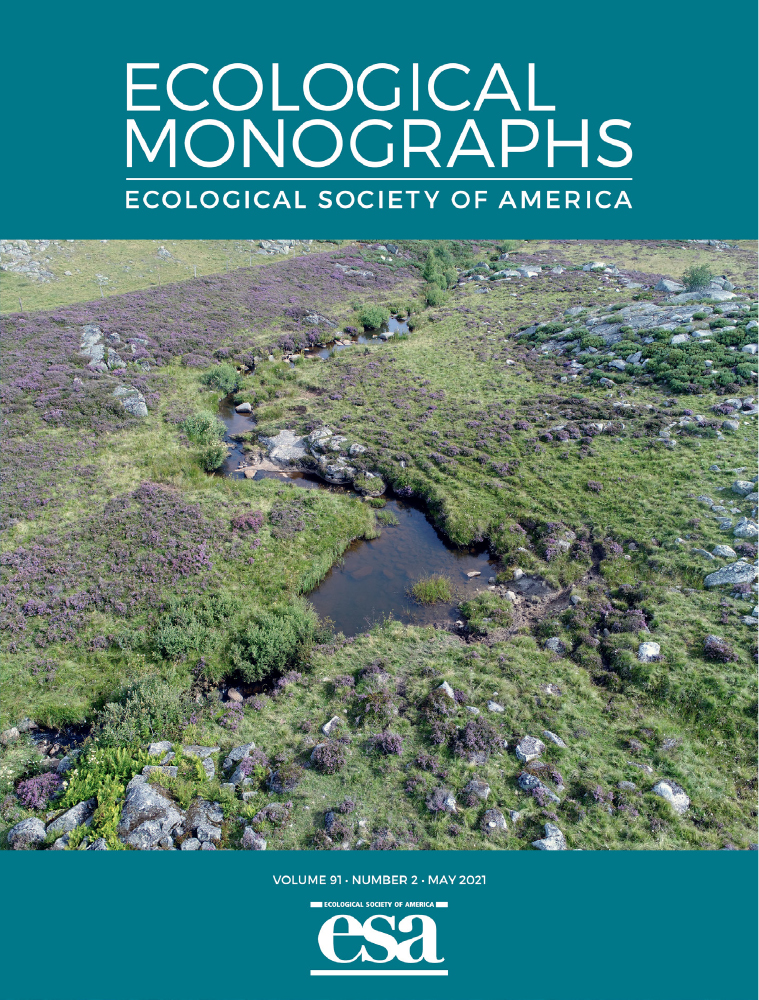
Ecological monographs. - 95(2025)1, Art. e70010
Functional macroinvertebrate diversity stabilizes decomposition among leaf litter resources across a river network
March 2025
Ecosphere. - 16(2025)3, Art. 70205
Too much and not enough data: Challenges and solutions for generating information in freshwater research and monitoring

March 2025
Frontiers in Remote Sensing. - 6(2025), Art. 1549286
Unlocking the global benefits of Earth Observation to address the SDG 6 in situ water quality monitoring gap
March 2025
Water Research. - 281(2025), Art. 123553
Anthropogenic imprint on riverine plasmidome diversity and proliferation of antibiotic resistance genes following pollution and urbanization
March 2025
Ecosystems. - 28(2025), Art. 23
Flexibility in Aquatic Food Web Interactions: Linking Scales and Approaches
March 2025
ISME Communications. - 5(2025)1, Art. ycaf049
The impact of elevated temperature and salinity on microbial communities and food selectivity in heterotrophic nanoflagellates in the Boye River
March 2025
Water Research. - 280(2025), Art. 123506