

- Department:(Dept. 4) Fish Biology, Fisheries and Aquaculture

A candidate sex determination locus in amphibians which evolved by structural variation between X- and Y-chromosomes
The authors have identified a gene locus responsible for sex determination in the European green toad. This reveals only the second known genetic mechanism for sex differentiation in amphibians.

Inland navigation and land use interact to impact European freshwater biodiversity
Using a comprehensive set of long-term data, the authors show that shipping has contributed to a significant loss of biodiversity of fish and macroinvertebrates in European rivers in recent decades – and that the animal communities are becoming increasingly homogeneous and river-typical species are being lost. Invasive species, on the other hand, are significantly increasing.

Inland recreational fisheries contribute nutritional benefits and economic value but are vulnerable to climate change
The research team estimates that recreational fishing in lakes and rivers accounts for more than 11 per cent of the annually reported catches in inland fisheries worldwide. The analyzed total consumption value of harvested fish is around 10 billion US dollars per year. Due to climate change and direct human impacts on freshwater ecosystems, the productivity of important fish species is declining.
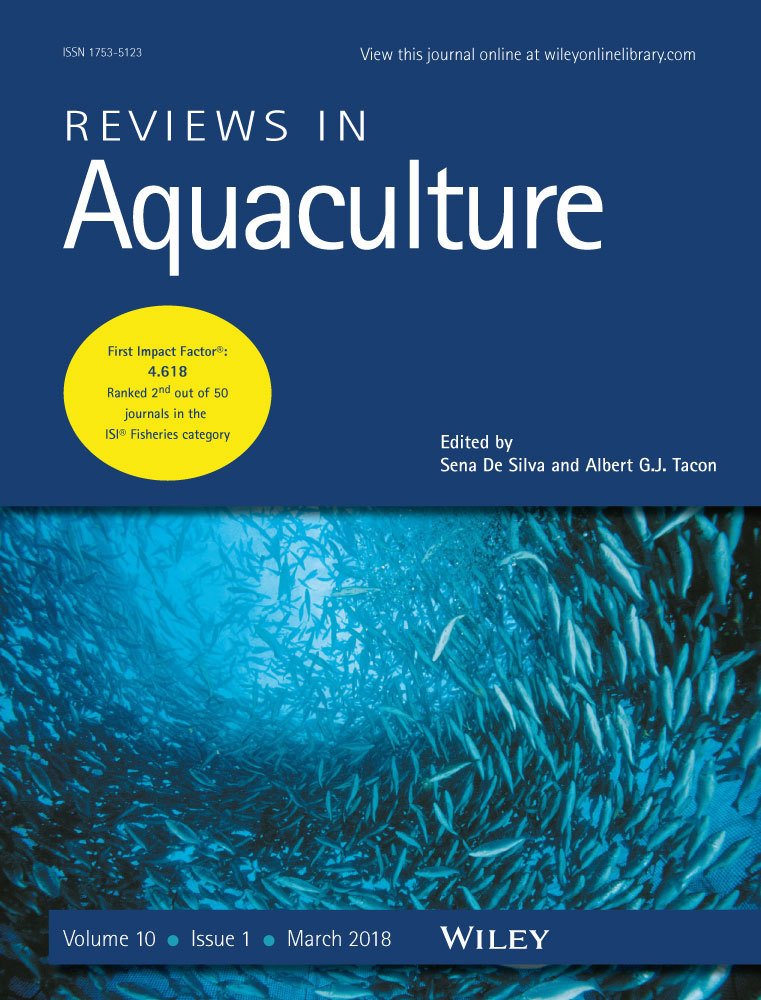
Adaptation of cultured decapod crustaceans to changing salinities: Physiological responses, molecular mechanisms and disease implications

Organic transformation of lignin into mussel-inspired glues: next-generation 2K adhesive for setting corals under saltwater
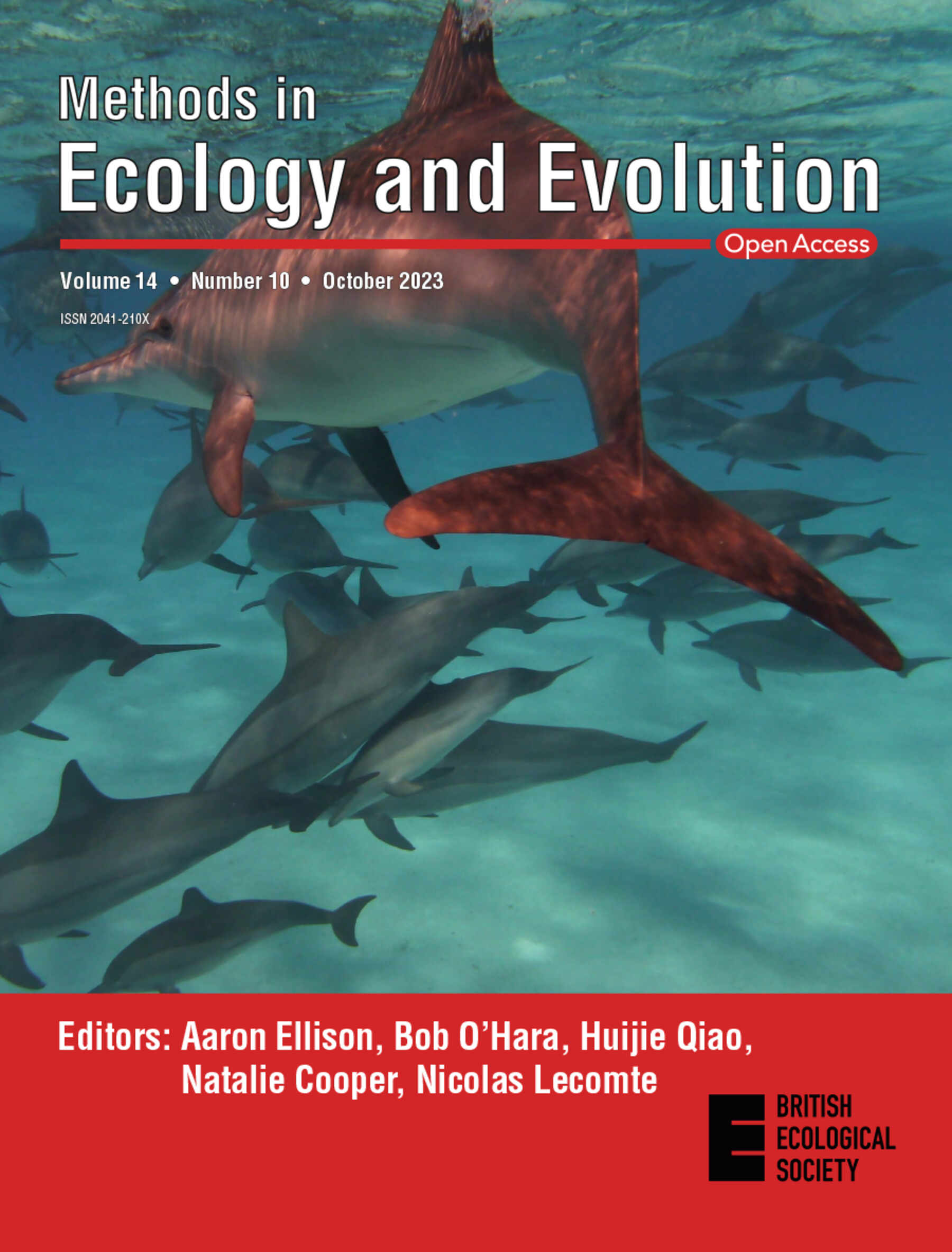
Positioning aquatic animals with acoustic transmitters
The paper offers an introduction to novel methods of high-resolution positional telemetry that provide guidance to practioners. It presents a summary of all techniques for fine-scale positioning of the movements of fish.

To save sturgeons, we need river channels around hydropower dams
Weirs and other transverse structures in rivers not only impede migratory fish on their way to spawning grounds, but even if they are able to pass, many of them die in the turbines of hydroelectric power plants. The authors present a recommendation on how to facilitate effective passage and even promote sturgeon with bypass channels at dams that can serve as additional habitat.
Global responses to the COVID-19 pandemic by recreational anglers: considerations for developing more resilient and sustainable fisheries
The study investigated the impact of COVID on recreational fisheries across the globe.The authors found COVID to increase local recreational fisheries participation but to reduce touristic recreational fisheries where travel restrictions were in place.

The European freshwater landscape and hotspot areas of mass effects and regional connectivity
The authors detected great concentrations of source hotspots on the northern regions associated to lentic ecosystems, main European rivers acting as ecological corridors for all freshwaters, and a mixed distribution of connectivity hotspots in southern and Mediterranean ecoregions.

Socio-economic or environmental benefits from pondscapes? Deriving stakeholder preferences using analytic hierarchy process and compositional data analysis
The authors studied the needs and knowledge of stakeholders who own, work, research, or benefit from pondscapes in 8 countries. Using the analytic hierarchy process, this study shows that in general stakeholders in the European and Turkish demo-sites prefer environmental benefits, while stakeholders in the Uruguayan demo-sites rank the economic benefits higher.