Erika Freeman
Research Group LeaderDepartment
Programme areas


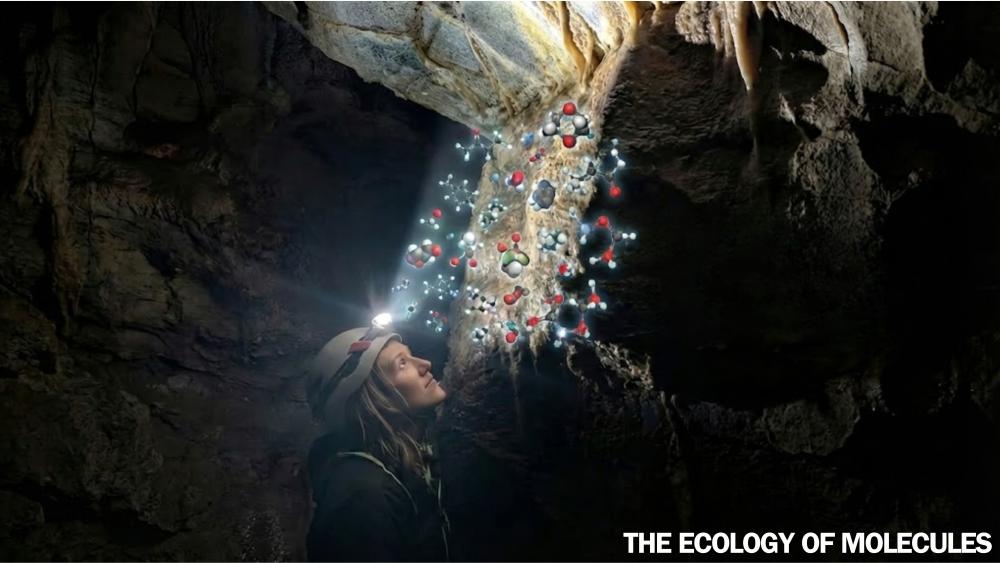
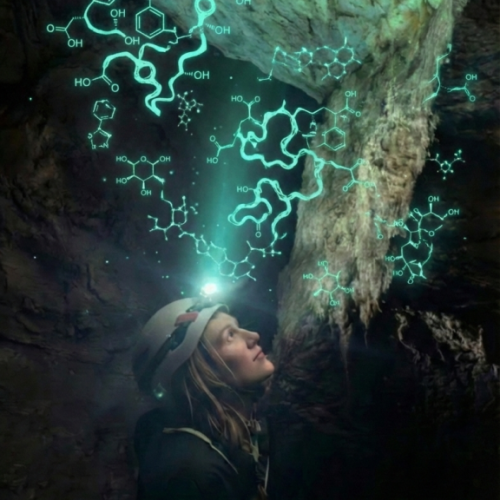
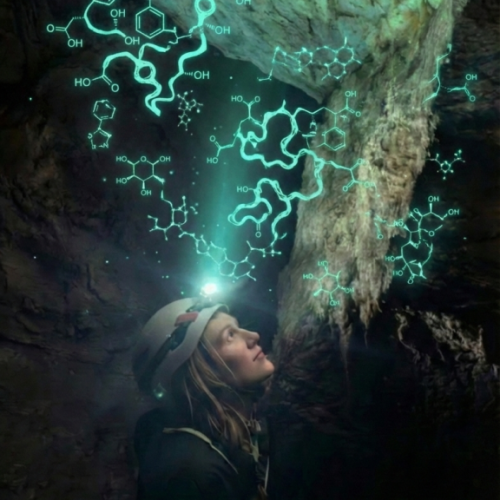
Caption: Erika C. Freeman, group leader of the ABC lab, exploring the dark matter of carbon molecules. | Photo credit: Erika Freeman in Brujas Cavern, Malargüe, Argentina. Digitally modified using Gemini Nano Banana. © Erika C. Freeman
The Aquatic Biogeochemistry of Carbon (ABC) Lab investigates how carbon moves through freshwater ecosystems – from forests and soils into streams, rivers, and lakes. Using ultrahigh-resolution mass spectrometry, we identify thousands of individual organic compounds in water, creating detailed "chemical fingerprints" that reveal where carbon comes from, how it transforms, and where it ends up.
Our work is guided by the "Ecology of Molecules" framework, which treats individual compounds as units that can be tracked through ecosystems – much like ecologists track species. This approach allows us to ask how human activities – such as agriculture, urbanisation, and land management – alter molecular patterns and, in turn, affect water quality and ecosystem health.
Inland waters play a surprisingly large role in the global carbon cycle, yet we still lack the tools to predict how they will respond to climate change and shifting land use. By understanding carbon at the molecular level, we can better anticipate these changes – informing decisions about watershed management, water quality protection, and carbon accounting.