Filter for Search for news Programme area Programme area1) Biodiversity in a Changing World2) Ecosystem Services for a Sustainable Future3) Dimensions of Complexity of Aquatic Systems4) Predictive Ecology in the Anthropocene Topic TopicAdaptation and evolutionFreshwater habitatsClimate and environmental changePollutants and matter cyclesWater in the landscapeFreshwater management and conservationFisheriesFish behaviour and swarm intelligence Format Formatpress releaseinsightshort newsfocus Apply 91 - 96 of 96 itemsProgramme area:2) Ecosystem Services for a Sustainable Future 21 December 2022 short news No water without freshwaters IGB has provided feedback on the government draft of the National Water Strategy, emphasising, among other things, the relevance of aquatic biodiversity and the large practical implementation deficit in water management. 9 November 2022 short news Angling clubs speed up natural fish colonisation of gravel pit lakes Do fishing clubs take their responsibility seriously at artificial gravel pit lakes? Researchers compared managed and unmanaged natural lakes as well as managed and unmanaged gravel pit lakes in Lower Saxony and Brandenburg. They found that lakes managed by anglers host similar fish species to unmanaged natural lakes. 27 October 2022 short news After the River Oder catastrophe: Massive decline in fish stocks IGB researchers have carried out sample fishing in the River Oder to get a better overview of the remaining fish population after the man-made environmental disaster. The results are very sobering. 8 June 2022 short news New policy brief on flood control German scientists have summarised in a policy brief what smart flood protection should look like and what benefits nature-based solutions in particular provide. 1 September 2020 press release Latest IGB Policy Brief: Does sustainable aquaculture in Germany have a future? The new IGB Policy Brief highlights opportunities and challenges. Our researchers recommend a fundamental debate in politics and society. 19 May 2020 press release The combined production of fish and vegetables can be profitable Researchers from IGB have just published an extensive profitability analysis of an aquaponics facility that produces fish and vegetables on a large scale. The result: aquaponics can be financially rewarding. Pagination First page « First Previous page ‹‹ … Page 6 Page 7 Page 8 Page 9 Current page 10
21 December 2022 short news No water without freshwaters IGB has provided feedback on the government draft of the National Water Strategy, emphasising, among other things, the relevance of aquatic biodiversity and the large practical implementation deficit in water management.
9 November 2022 short news Angling clubs speed up natural fish colonisation of gravel pit lakes Do fishing clubs take their responsibility seriously at artificial gravel pit lakes? Researchers compared managed and unmanaged natural lakes as well as managed and unmanaged gravel pit lakes in Lower Saxony and Brandenburg. They found that lakes managed by anglers host similar fish species to unmanaged natural lakes.
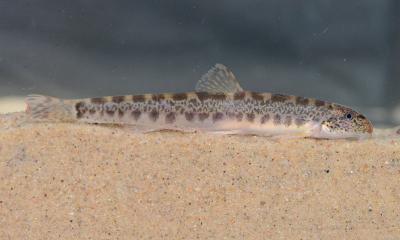
27 October 2022 short news After the River Oder catastrophe: Massive decline in fish stocks IGB researchers have carried out sample fishing in the River Oder to get a better overview of the remaining fish population after the man-made environmental disaster. The results are very sobering.
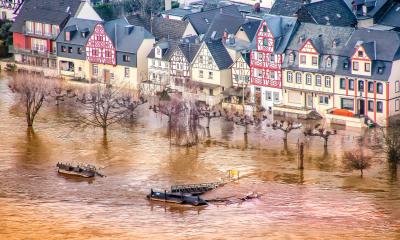
8 June 2022 short news New policy brief on flood control German scientists have summarised in a policy brief what smart flood protection should look like and what benefits nature-based solutions in particular provide.
1 September 2020 press release Latest IGB Policy Brief: Does sustainable aquaculture in Germany have a future? The new IGB Policy Brief highlights opportunities and challenges. Our researchers recommend a fundamental debate in politics and society.
19 May 2020 press release The combined production of fish and vegetables can be profitable Researchers from IGB have just published an extensive profitability analysis of an aquaponics facility that produces fish and vegetables on a large scale. The result: aquaponics can be financially rewarding.