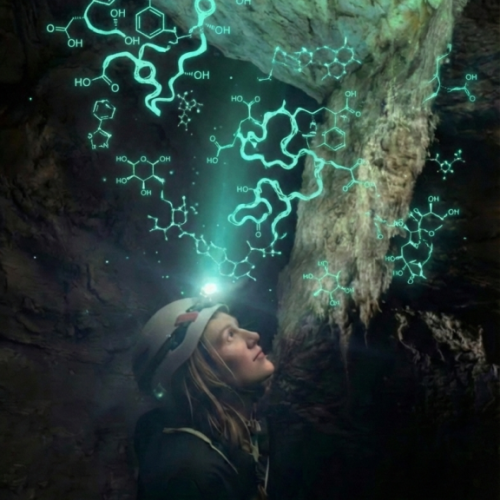

If more untargeted molecular data is the answer, what was the question? Molecular approaches in carbon biogeochemistry
Abstract: Dissolved organic matter represents the largest pool of reactive carbon in aquatic ecosystems, yet for decades it was treated largely as a black box. Untargeted ultrahigh-resolution mass spectrometry has revolutionised this perspective, resolving tens of thousands of distinct compounds within a single sample. This chemical granularity offers a vital complement to genomic approaches: whereas eDNA identifies who is present, molecular fingerprints reveal what they are doing and the energetic resources available to them. This talk introduces my planned research programme at IGB and the ‘Ecology of Molecules’ framework I have developed to connect molecular complexity to ecohydrological processes. I will present case studies from catchment research demonstrating how molecular fingerprinting exposes mechanisms invisible to traditional methods—including how land-use change reshapes organic matter composition with cascading effects on downstream ecosystems. Finally, I will discuss strategies for designing questions that maximise these powerful tools, highlighting where molecular chemistry can drive new collaborations across IGB’s interdisciplinary research themes.
Speaker: Erika Freeman, IGB
IGB Colloquia open up!
IGB strives to facilitate and accelerate the exchange of knowledge and ideas within and also outside of IGB. One element contributing to inter- and transdisciplinary exchange, and more (scientific) cooperation and innovation, is to open up IGB Colloquia to an interested external audience from science (other research institutes, universities, laboratories) as well as practice (i.e. conservationists, freshwater/land-use managers, authorities, associations). If you would like to join this IGB Colloquium as a guest, we ask you to register until the morning of the colloquium 10 o'clock the latest. After we have checked your registration, you will receive the participation link.