
Climate and environmental change
Related News
Selected publications
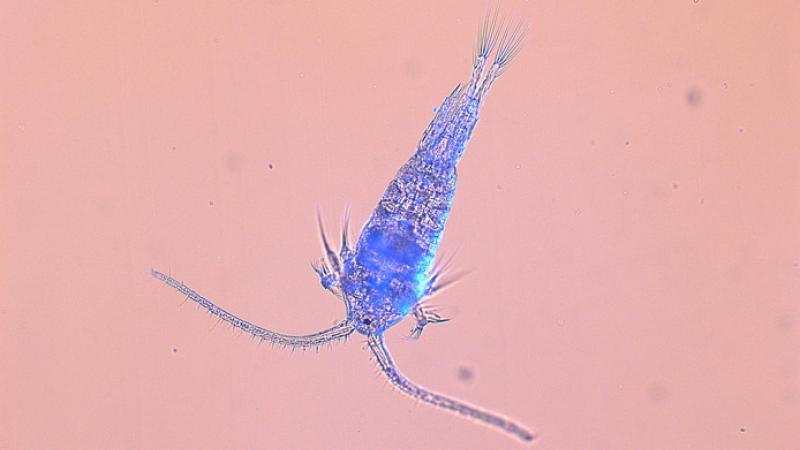
Addressing grand ecological challenges in aquatic ecosystems: how can mesocosms be used to advance solutions?
Marine and freshwater researchers using mesocosms synthesise their recommendations on opportunities and limitations for advancing solutions to grand ecological challenges in aquatic ecosystems. They focus on the unexplored potential for using mesocosms to test solutions to human impacts on aquatic ecosystems. This will need novel collaborations between ecologists and technological developers.

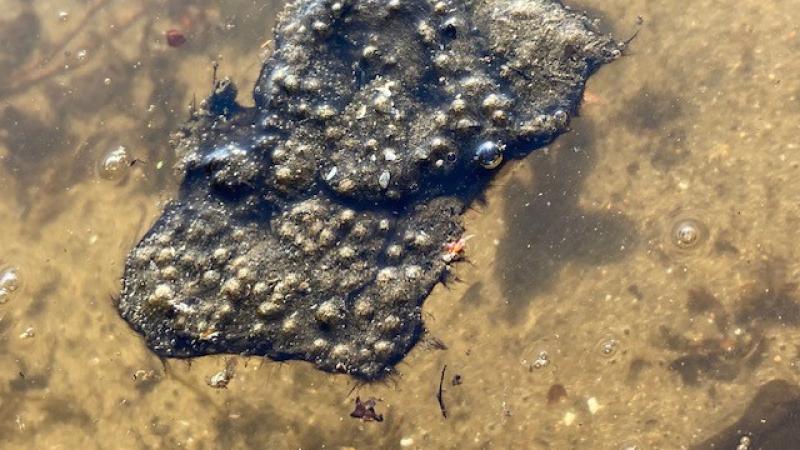
Tried and true vs. shiny and new: Method switching in long-term aquatic datasets
There is a shortage of discourse regarding the best practices in switching methods for long-term data collection in aquatic ecosystems. In this paper, factors that contribute to the successes and failures of method switches are discussed. The authors present three case studies that demonstrate successful method switching and then outline best practices for maintaining data integrity.
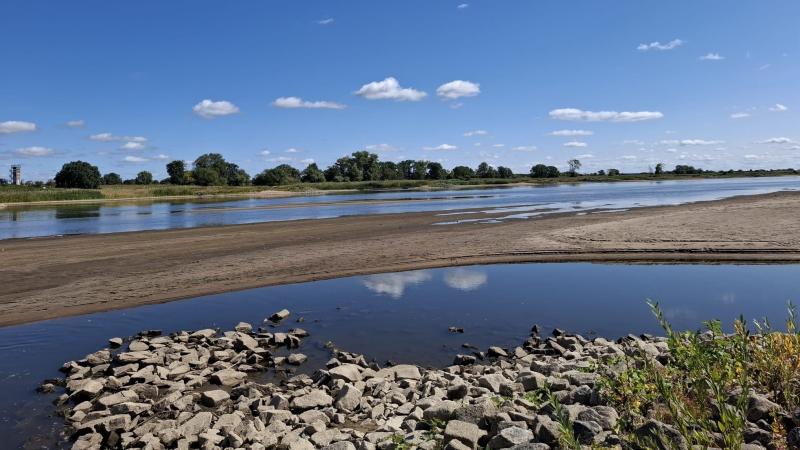
Temperatures and hypolimnetic oxygen in German lakes: Observations, future trends and adaptation potential
A study of oxygen and temperature trends in 46 German lakes showed that temperatures have risen mainly at the surface, but not in the deep water. This led to increased stratification and lower oxygen concentrations. Scenarios showed that these effects of climate change on oxygen content could be compensated by reducing nutrients.
Flexible foraging behaviour increases predator vulnerability to climate change
Based on a combination of (historical) empirical data and model simulations the authors investigated how size-selective adaptive behaviour under warmer conditions in demersal marine fishes might affect their long-term population stability. Under warmer conditions the fish species studied tend to consume less efficiently by choosing smaller and more abundant prey increasing their extinction risk.

Worldwide moderate-resolution mapping of lake surface chl-a reveals variable responses to global change (1997–2020)
Whether a lake appears blue or green is also related to its chlorophyll-a content. Researchers led by IGB used satellite data to draw conclusions about the concentrations of the green pigment produced by algae.