
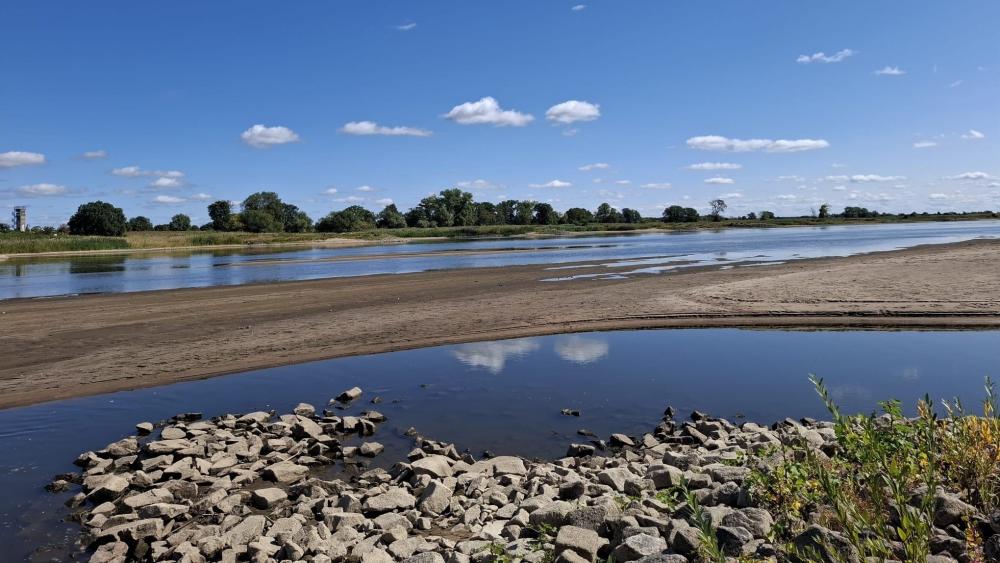
Here on the Elbe River, 2026 could be the year with the lowest discharge on record. Image: Johannes Graupner/IGB
Policymakers and industry representatives are currently discussing ways to deepen navigation channels, with the aim of enabling vessels to navigate as freely and safely as possible, even when water levels are low. From a scientific perspective, however, this approach is inadequate. “We need to adapt more closely to the available water supply, rather than continually adapting the rivers to our usage requirements,” said IGB researcher Dr Christian Wolter. While selective interventions to remove individual bottlenecks may be reasonable, the systematic deepening of rivers is not a sustainable response to increasingly frequent low water levels.
Rivers have been altered for human use, which has had consequences for the water balance.
Since the 19th century, many German rivers have been straightened, shortened and their banks reinforced for use as waterways. On average, this has caused rivers to lose 20 per cent of their flow paths, meaning the water flows downstream more quickly. Reinforced banks also prevent rivers from spreading out laterally, meaning their riverbeds deepen by several metres instead. During periods of low water, this contributes to the more severe drainage of adjacent landscapes.
At the same time, natural water retention areas such as floodplains, wetlands and moorland have almost entirely disappeared. “All of this has contributed to climate change hitting us so hard today,” warned Wolter. “We have known for decades that we need to retain more water within the landscape. In the face of increasing drought, it is becoming even more urgent to put this knowledge into practice.”
Retaining more water in the landscape
The problem of low water levels cannot be attributed to annual precipitation alone. The seasonal distribution of precipitation is also a key factor. In the future, more rainfall will occur during the winter months, while the summer months will become drier. Therefore, water from months with high amounts of precipitation must be stored in the landscape for longer.
This requires more space for rivers and their floodplains. Where possible, the upper stretches of straightened rivers should be allowed to meander more freely, thereby maintaining longer flow paths. Floodplains and wetlands should be revitalised, drainage structures reviewed, and near-surface groundwater reserves better protected. “We should not drain water away from the landscape as quickly as possible, but rather retain it where it will be needed later,” explained Christian Wolter.
Such water retention measures also strengthen natural flood protection: near-natural river landscapes can absorb rainfall and delay runoff.
Low water levels and heat endanger river ecosystems
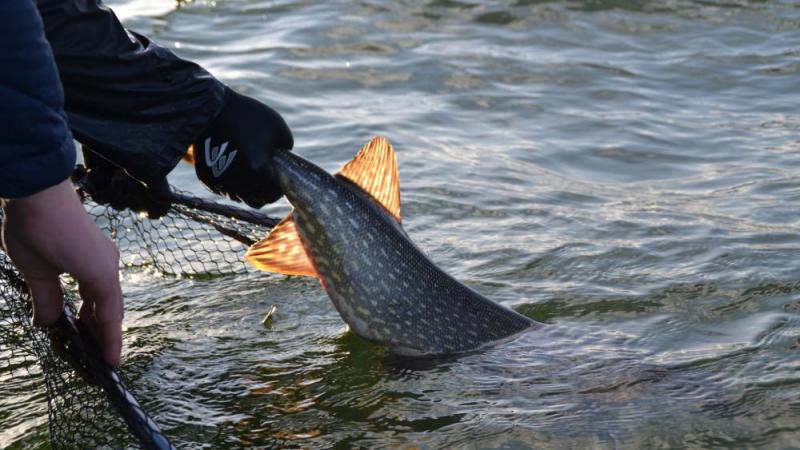
Low water levels are not just a problem for shipping. The combination of low water levels and high temperatures is particularly critical for many living organisms. Warm water can dissolve less oxygen, while fish and other aquatic organisms require more oxygen as temperatures rise. Therefore, low water levels can impair the entire ecological functioning of a river. In addition to retaining water in the landscape, providing shade for the riverbanks is also an important measure.
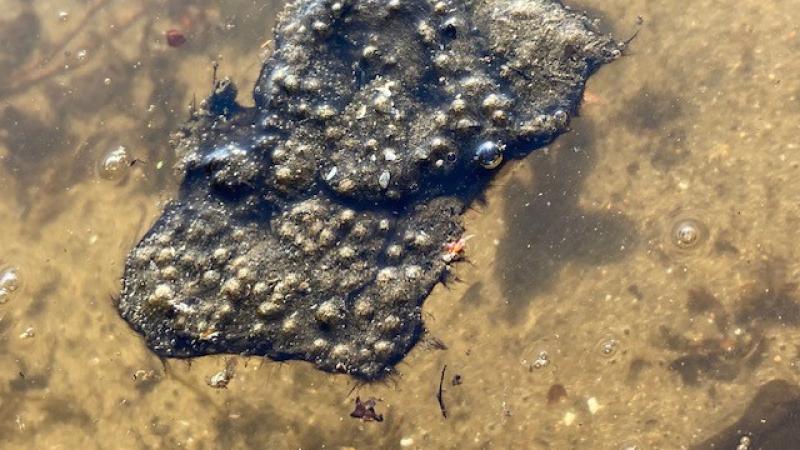
When heavy rainfall occurs after long dry spells, parched or sealed soils can only absorb large volumes of water to a limited extent. Consequently, significant quantities of organic matter are washed into streams and rivers within a short period of time. The subsequent decomposition of this organic matter consumes a great amount of oxygen, which rapidly reduces the oxygen content of the water.
It is shipping that must adapt, not the rivers
From an IGB perspective, a climate-adapted transport policy means aligning infrastructure and shipping more closely with natural water conditions. This includes vessels with shallower draughts, for example. “We cannot simply plan our way out of low water levels or dredge them away. We must adapt our landscapes and how we use rivers so that their vital functions are preserved, even when water is less abundant and available more irregularly,” said Wolter.
Near-natural river landscapes are ecologically valuable. They are also a vital part of helping Germany prepare for more frequent low water levels, heat, and increasing incidents of heavy rainfall.
~~~
Summary:
- Low water levels will become more frequent: Longer periods of drought, higher temperatures and a shift in precipitation patterns are exacerbating the problem.
- More rainfall in winter, drier summers: It is not just the annual amount of rainfall that matters, but also when it falls.
- Rivers have been significantly altered: Straightening, shortening and bank reinforcement have altered the natural water balance, making us more vulnerable to the consequences of climate change.
- Water runs off more quickly: Straightened rivers are less able to retain water within the landscape, and at the same time the riverbed deepens, draining adjacent land.
- Natural water retention areas are lacking: Floodplains, wetlands and moors have been drained in many places.
- Low water levels put a strain on ecosystems: Low water levels and high temperatures lead to oxygen depletion, putting fish and other aquatic organisms under stress.
- Heavy rainfall exacerbates these problems: Following prolonged dry periods, soils are unable to absorb large amounts of precipitation effectively. Organic matter can be washed into lakes and rivers, where its decomposition consumes oxygen.
- Sustainable approach: Rather than adapting rivers to existing demands for navigation, we should adapt land use, infrastructure, and shipping to the future water availability.
- Integrating natural flood protection and low-water prevention: Water retention can mitigate dry spells and reduce flood peaks.