Filter for Search for news Programme area Programme area1) Biodiversity in a Changing World2) Ecosystem Services for a Sustainable Future3) Dimensions of Complexity of Aquatic Systems4) Predictive Ecology in the Anthropocene Topic TopicAdaptation and evolutionFreshwater habitatsClimate and environmental changePollutants and matter cyclesWater in the landscapeFreshwater management and conservationFisheriesFish behaviour and swarm intelligence Format Formatpress releaseinsightshort newsfocus Apply 251 - 260 of 271 itemsFormat:press release 17 May 2017 press release Same genes, same environment, different personality: Is individuality unavoidable? Recent findings concerning the behavior of Amazon mollies shed a new light on the question of which factors are responsible for the individuality of vertebrate animals. 26 April 2017 press release Five urgent water issues for policymakers In the run-up to the Bundestag election in 2017, the IGB has identified five urgent water related issues and published them in a policy letter. In the next legislature, there is an urgent need for discussion and action for the new federal government. 19 April 2017 press release Bioeconomy: insect meal as a sustainable aquaculture feed As part of the BMBF ideas competition "New products for the bio-economy" a new breeding concept for protein-rich insect larvae, developed at the IGB, is promoted as sustainable future feed source. 6 April 2017 press release Turbid prospects for pristine lakes In two studies, IGB scientists present new insights about the effects of summer storms on the ecosystem processes of pristine lakes. 3 April 2017 press release Surprise discovery of Europe’s first cave fish A team of researchers and cave divers discovered the first cave fish species in Europe. The cave loach lives in Lake Constance. 21 March 2017 press release International network connects experimental research in European waters IGB coordinates and leads the project AQUACOSM, where the first systematic large-scale experiments in both freshwater and marine ecosystems will be performed. 14 March 2017 press release First it was cows - now it’s larvae! Scientists have discovered that a certain species of larvae uses methane to propel itself and it is even possible that this mechanism is accelerating the release of gases into the atmosphere and magnifying global warming. 13 March 2017 press release Endangered giants: large freshwater species among those most threatened with extinction on the planet Freshwater megafauna such as river dolphins, crocodilians and sturgeons play vital roles in their respective ecosystems. IGB researchers have teamed up with international colleagues to illustrate the factors that currently threaten these large vertebrates. 10 February 2017 press release Together we are unpredictable: why sailfish hunt more successfully as a group New study: Sailfish always hunt in groups containing roughly the same number of individuals that attack from the right as those that attack from the left. In this way, their prey is unable to predict from which side the attack will occur. 26 January 2017 press release Synthetic chemicals: ignored agents of global change Despite a steady rise in the manufacture and release of synthetic chemicals, research on the ecological effects of pharmaceuticals, pesticides, and industrial chemicals is severely lacking. Pagination First page « First Previous page ‹‹ … Page 24 Page 25 Current page 26 Page 27 Page 28 Next page ›› Last page Last »
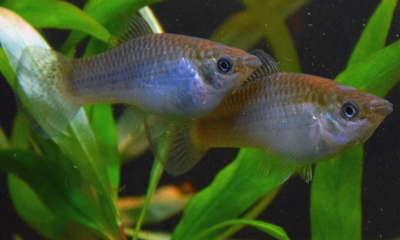
17 May 2017 press release Same genes, same environment, different personality: Is individuality unavoidable? Recent findings concerning the behavior of Amazon mollies shed a new light on the question of which factors are responsible for the individuality of vertebrate animals.
26 April 2017 press release Five urgent water issues for policymakers In the run-up to the Bundestag election in 2017, the IGB has identified five urgent water related issues and published them in a policy letter. In the next legislature, there is an urgent need for discussion and action for the new federal government.
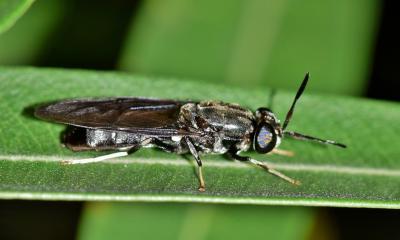
19 April 2017 press release Bioeconomy: insect meal as a sustainable aquaculture feed As part of the BMBF ideas competition "New products for the bio-economy" a new breeding concept for protein-rich insect larvae, developed at the IGB, is promoted as sustainable future feed source.
6 April 2017 press release Turbid prospects for pristine lakes In two studies, IGB scientists present new insights about the effects of summer storms on the ecosystem processes of pristine lakes.
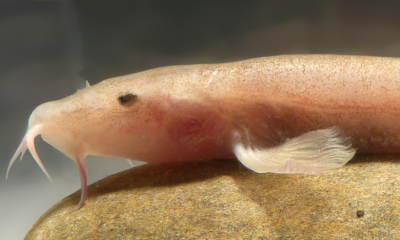
3 April 2017 press release Surprise discovery of Europe’s first cave fish A team of researchers and cave divers discovered the first cave fish species in Europe. The cave loach lives in Lake Constance.
21 March 2017 press release International network connects experimental research in European waters IGB coordinates and leads the project AQUACOSM, where the first systematic large-scale experiments in both freshwater and marine ecosystems will be performed.
14 March 2017 press release First it was cows - now it’s larvae! Scientists have discovered that a certain species of larvae uses methane to propel itself and it is even possible that this mechanism is accelerating the release of gases into the atmosphere and magnifying global warming.
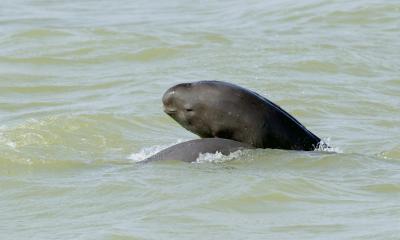
13 March 2017 press release Endangered giants: large freshwater species among those most threatened with extinction on the planet Freshwater megafauna such as river dolphins, crocodilians and sturgeons play vital roles in their respective ecosystems. IGB researchers have teamed up with international colleagues to illustrate the factors that currently threaten these large vertebrates.
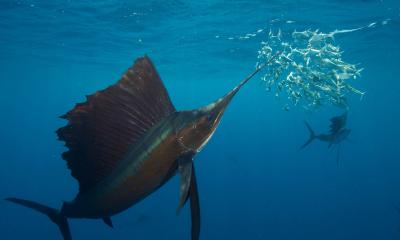
10 February 2017 press release Together we are unpredictable: why sailfish hunt more successfully as a group New study: Sailfish always hunt in groups containing roughly the same number of individuals that attack from the right as those that attack from the left. In this way, their prey is unable to predict from which side the attack will occur.
26 January 2017 press release Synthetic chemicals: ignored agents of global change Despite a steady rise in the manufacture and release of synthetic chemicals, research on the ecological effects of pharmaceuticals, pesticides, and industrial chemicals is severely lacking.