


PlantsCoChallenge
Short profile
Duration
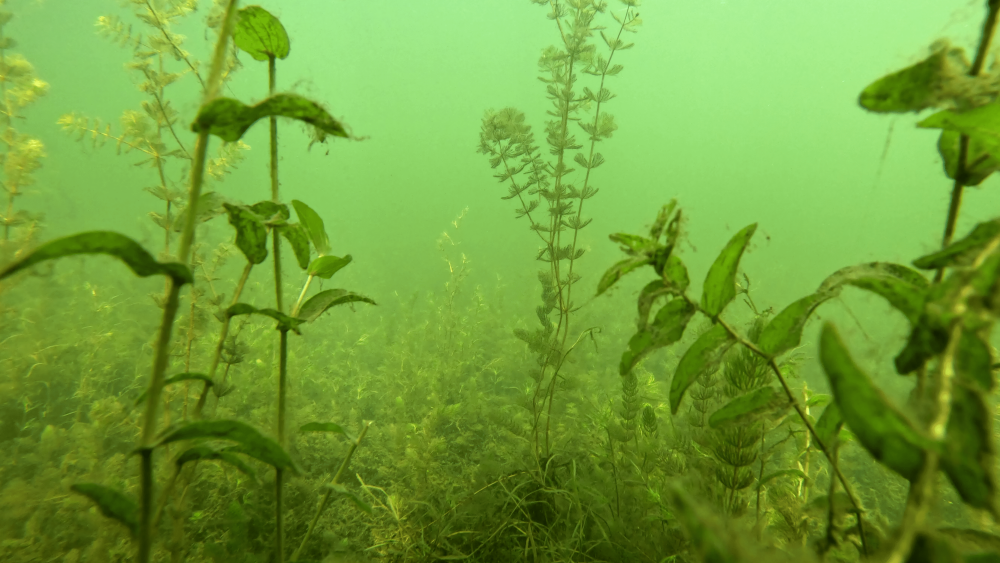
Submerged plants are key components of freshwater ecosystems, providing essential services such as primary production, nutrient cycling, oxygenation, and habitat provisioning. Maintaining these ecosystem services is critical for biodiversity conservation and global changes mitigation. However, their populations are rapidly declining in lakes worldwide. A better understanding of how submerged macrophytes respond to multiple, co-occurring stressors in lakes, with a focus on warming and hypoxia events, is necessary as stressor interactions remain poorly studied. A holistic approach integrating plant physiological and morphological responses along with the role of the internal microbiome could yield novel insights into macrophyte resilience. In addition, biotic stressors such as pathogens, well studied in terrestrial plants but largely overlooked in freshwater systems, may contribute to macrophyte die-offs through interactions with other stressors and remain virtually unexplored.
The DFG Research Unit PlantsCoChallenge project (https://www.plantscochallenge.de/), led by the Kiel Plant Center (PI: Prof. Dr. Eva Stukenbrock), aims to understand plant physiological responses to combined abiotic and biotic stressors. Research spans multiple organisational levels, from subcellular physiological markers, transcriptomics, and metabolomics to morphological traits and interactions with endophytic communities. The project includes five plant species: three terrestrial species (quinoa, barley, and sea rocket) and two aquatic species (eelgrass and sago pondweed).
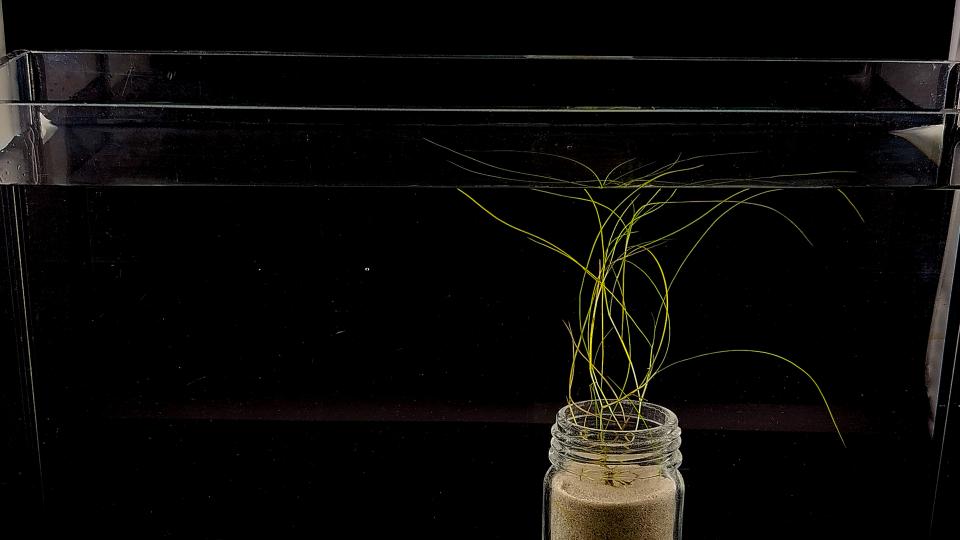
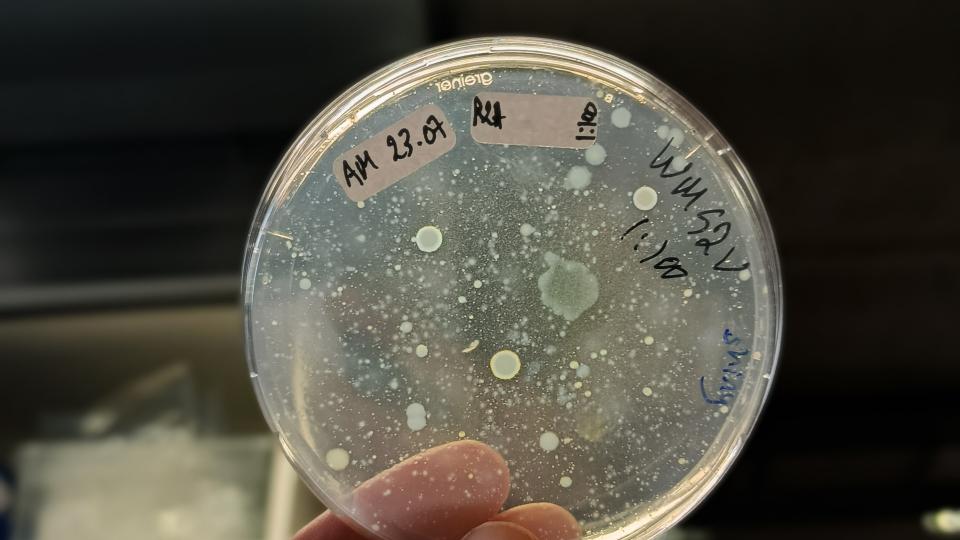
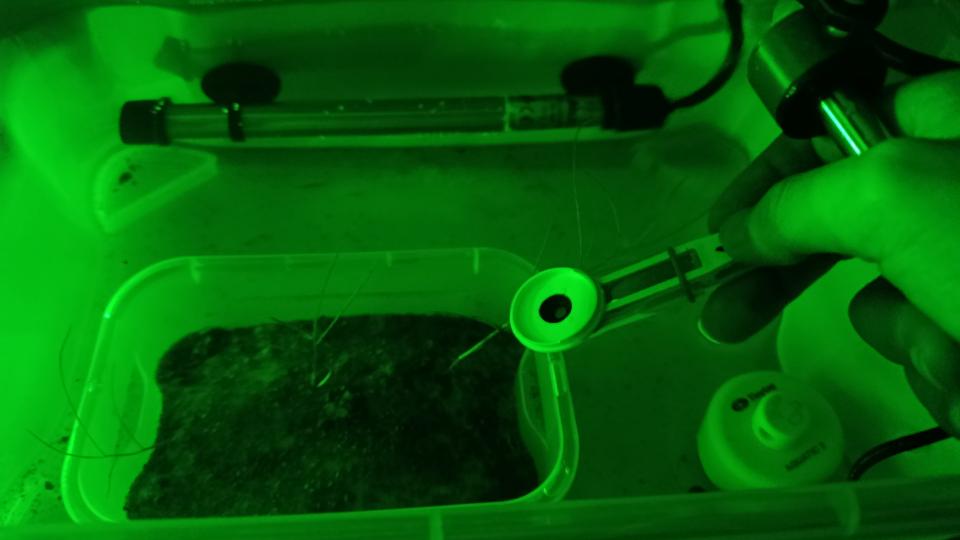
At IGB, our focus is on sago pondweed (Stuckenia pectinata), a globally widespread submerged freshwater macrophyte that tolerates turbid, eutrophic conditions and elevated salinity, and also occurs in brackish waters. Through laboratory and field experiments, we will test its physiological, morphological and microbiome response to abiotic (warming and anoxia) and biotic stressors (potential pathogens and elicitors). A joint experiment will be conducted with S. pectinata and Zostera marina, a seagrass species investigated in the group of Prof. Dr. Thorsten Reusch from GEOMAR Kiel. In addition, the microbiome will be investigated together with the group of Prof. Dr. Eric Kemen from Tübingen University.

Kiel Plant Center - https://www.plant-center.uni-kiel.de/en
GEOMAR - https://www.geomar.de/
Zentrum für Molekularbiologie der Pflanzen (ZMBP) - https://uni-tuebingen.de/fakultaeten/mathematisch-naturwissenschaftliche-fakultaet/fachbereiche/zentren/zentrum-fuer-molekularbiologie-der-pflanzen/zmbp/
Universität Münster - https://www.uni-muenster.de/



DFG - Deutsche Forschungsgemeinschaft
https://www.dfg.de
