
Ecohydrological Processes of Urban Ecosystems
Group profile
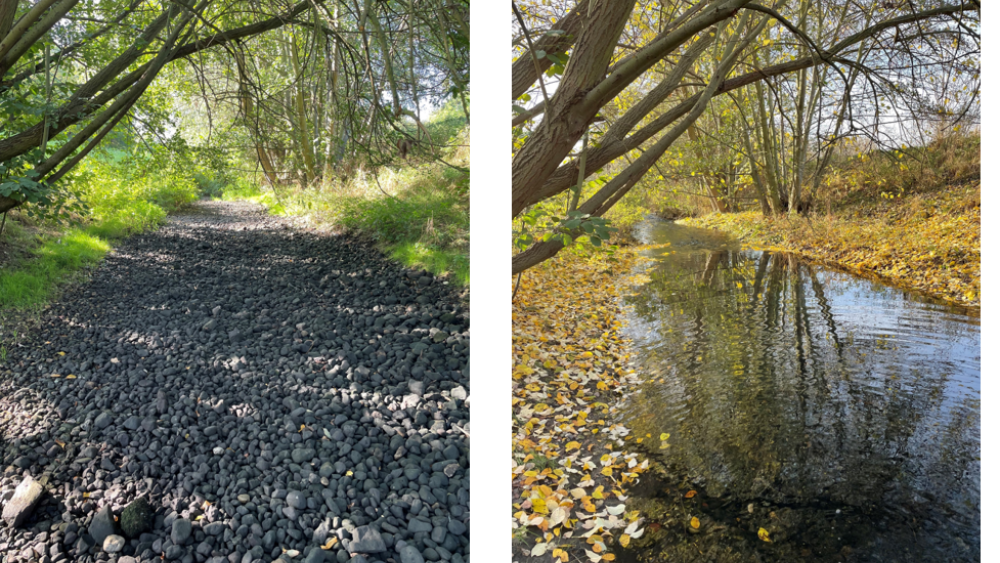
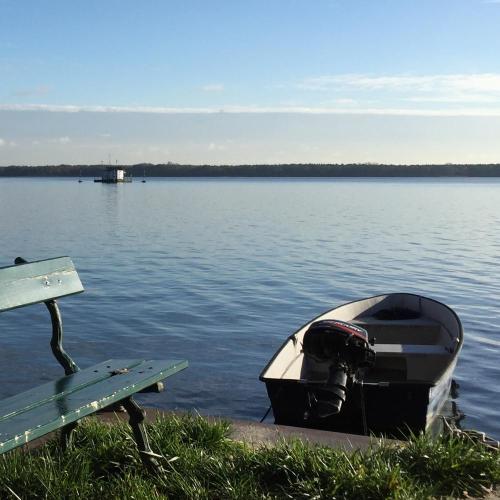
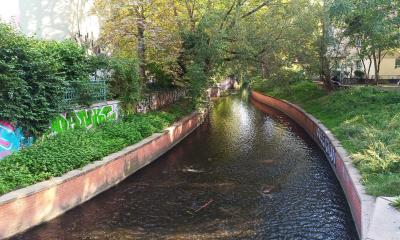
The impact of hydroclimatic stressors on urban waterways can result in severe fluctuations in water quality and quantity. The Wuhle in the Marzahn-Hellersdorf district of Berlin is a prime example of this. | © Maria Warter
The ecological condition of urban water bodies in Germany and worldwide poses major challenges for the environment and society in times of increasing hydroclimatic extremes. Significant human intervention in urban watercourse structures has led to a loss of natural ecosystem functions and aquatic biodiversity. Nevertheless, urban water bodies have enormous potential to contribute to the preservation of water as a natural resource and biodiversity. Blue-green infrastructure and the return to near-natural water structures and water balance can help to improve water quality and availability, promote local biodiversity, and contribute to the health of the urban population and climate change mitigation.
Our research group works at the interface between hydrology and climate, soil, and plant sciences, as well as chemistry and physics. We use integrative measurement approaches to investigate the interactions between hydrological processes, nutrient cycles, aquatic organisms, and the adjacent urban habitat, as well as hydroclimatic stressors within blue-green infrastructure. By coupling hydrological approaches with other environmental tracers such as water chemistry and environmental DNA (eDNA), we can capture the interactions between microbial patterns and hydrology in novel ways to analyze the relationship between hydroclimatic changes and urbanization effects. The aim of our research is to strengthen our understanding of ecohydrological, biogeochemical, and biological processes in order to enhance the development of strategies and concepts for the sustainable use of urban water resources.