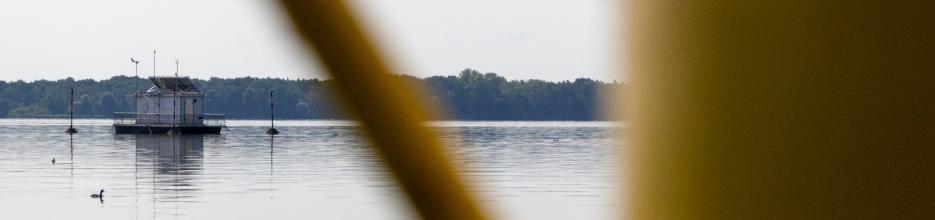

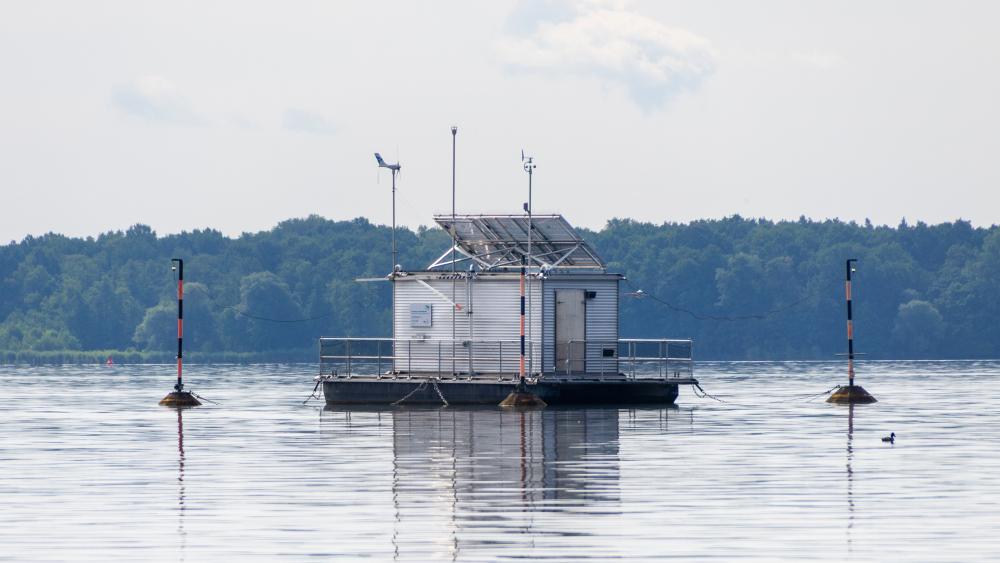
The monitoring station on Berlin’s Müggelsee takes daily, automated readings of water and air quality. | Photo: Berit Kraushaar
For over 45 years, the IGB has been using an automated system at a measuring station (on the lake, around 200 metres from the shore) to measure the water temperature of Lake Müggelsee several times a day, both at the surface and at a depth of five metres. Other parameters in the water and air are also measured, including water clarity, oxygen content and air temperature.
“We’d already experienced heatwaves in 2006 and 2018 with temperatures just under 30 degrees, measured at a depth of half a metre at our monitoring station. But the readings at the end of June 2026, at 30.2 °C, set a new record for Lake Müggelsee. Right by the shore, the water temperature was as high as 32.7 °C”, said Dr Tom Shatwell, a researcher at IGB. Even at the station’s deepest measuring point, at a depth of five metres, the water was quite warm at around 20 degrees Celsius.
Lakes are generally getting warmer
“Whilst this high temperature is a record, temperatures in Lake Müggelsee are generally on the rise”, said Tom Shatwell. Data from recent decades show that average summer temperatures in Lake Müggelsee have risen by 0.5 degrees Celsius per decade. That amounts to more than two degrees since the 1980s. This puts Lake Müggelsee exactly in line with the German average: a study by IGB from 2025, based on long-term data from 46 German lakes, shows that the surface temperature of the water has risen more sharply than the air temperature over the last 30 years. Between 1990 and 2020, the lakes warmed by an annual average of 0.5 °C per decade, whilst the air warmed by 0.43 °C.
Lake stratification: if the lake does not mix, oxygen is lacking
© Berit Kraushaar
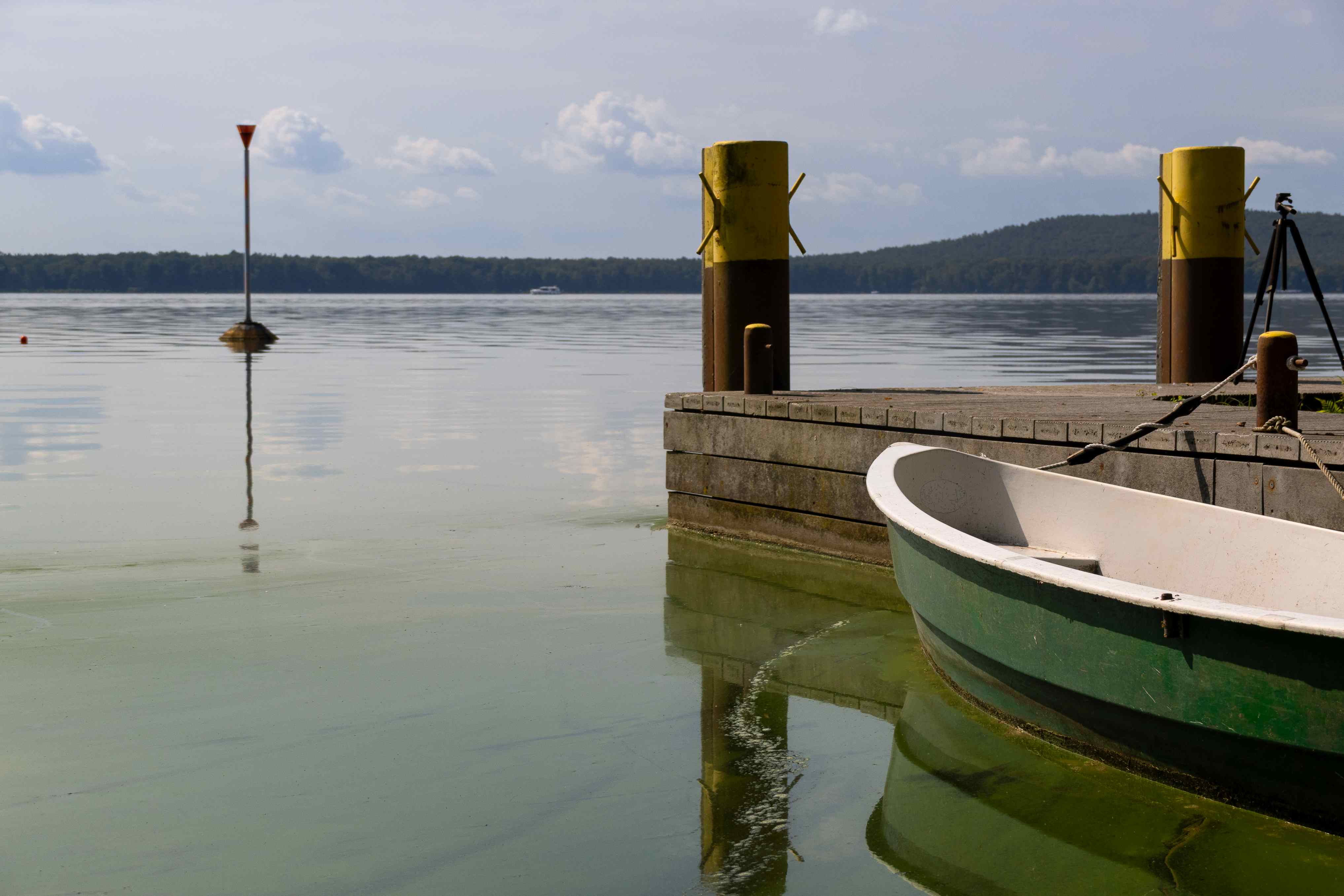
In spring and summer, the surface water of lakes can warm up more quickly than the deeper water. As warm water is lighter than cold water, the warmer surface water floats on top of the colder deeper water. This condition is known as stratification and prevents the water column from mixing thoroughly. As a result, oxygen-rich water can no longer reach the bottom.
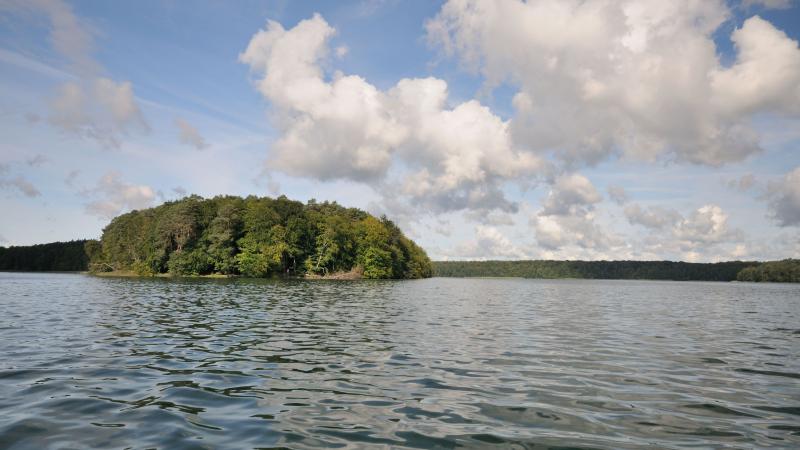
In deep lakes, stratification develops continuously from spring through to autumn. A shallow lake such as Lake Müggelsee, with a maximum depth of eight metres, is, by contrast, usually mixed right down to the bottom by the wind. Stable stratification only occurs there from time to time, for example during heatwaves. When swimming, you can sometimes feel this temperature stratification. “More frequent and intense heatwaves resulting from climate change are causing shallow lakes to stratify more often. This can lead to low oxygen levels at the bottom of the lake”, said Tom Shatwell. For instance, the Müggelsee developed a stable temperature stratification from 17 June to 4 July 2026. During this period, the oxygen content at the bottom of the lake fell significantly: whilst the oxygen content at the water’s surface was around 10 mg/litre, at a depth of 5 metres it was only 2.5 mg/litre or less. “Two milligrams of oxygen per litre of water is the threshold for the survival of many oxygen-dependent organisms in the lake”, explained the scientist.
Oxygen depletion: At high temperatures, water dissolves less oxygen and more is used up
© Berit Kraushaar
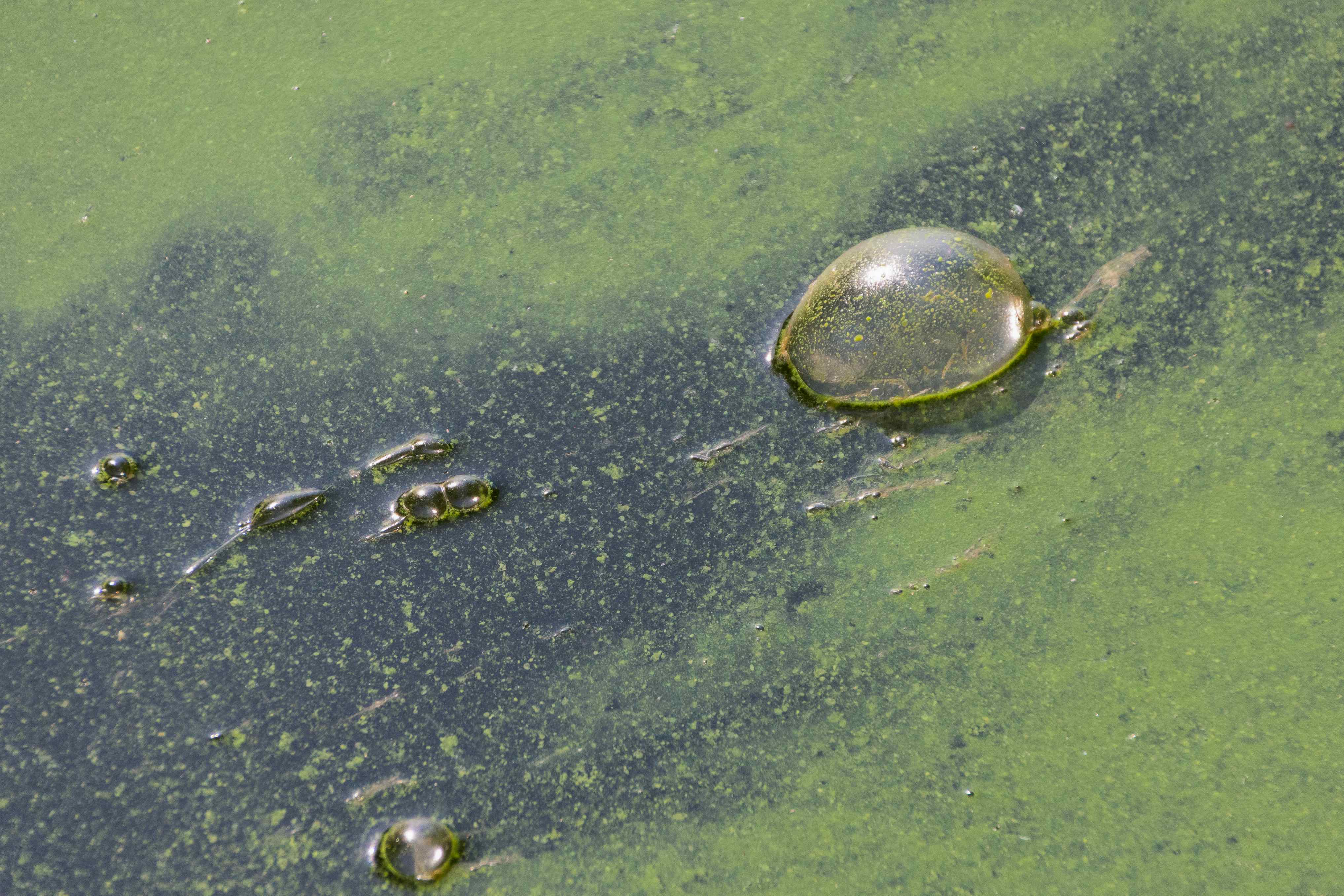
In addition to stratification, there are two further factors that cause oxygen to become scarce in hot weather. Here’s a brief detour into chemistry: as the water temperature rises, the water’s capacity to dissolve oxygen decreases. At a temperature of around 10 °C, there are approximately twelve milligrams of oxygen per litre of lake water; at 25 °C, this drops to just seven to eight milligrams. Furthermore, warmer water leads to greater oxygen consumption because it stimulates the water body’s nutrient cycle, with microorganisms breaking down more organic material.
As a result, the oxygen concentration in deep water can drop significantly within a short period during a stratification phase. And this, too, is a discernible trend: the aforementioned IGB study from 2025 shows that the oxygen concentration in the 46 German lakes studied fell significantly between 1990 and 2020. In 51 per cent of the summer measurements, the oxygen concentration was below two milligrams per litre.
Fish: many species are temperature-tolerant, but ‘temperature habitats’ are being lost
© Solvin Zankl
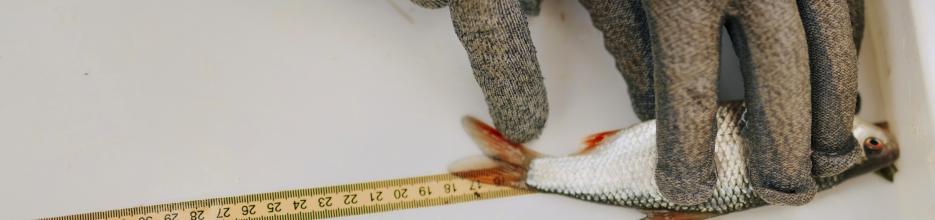
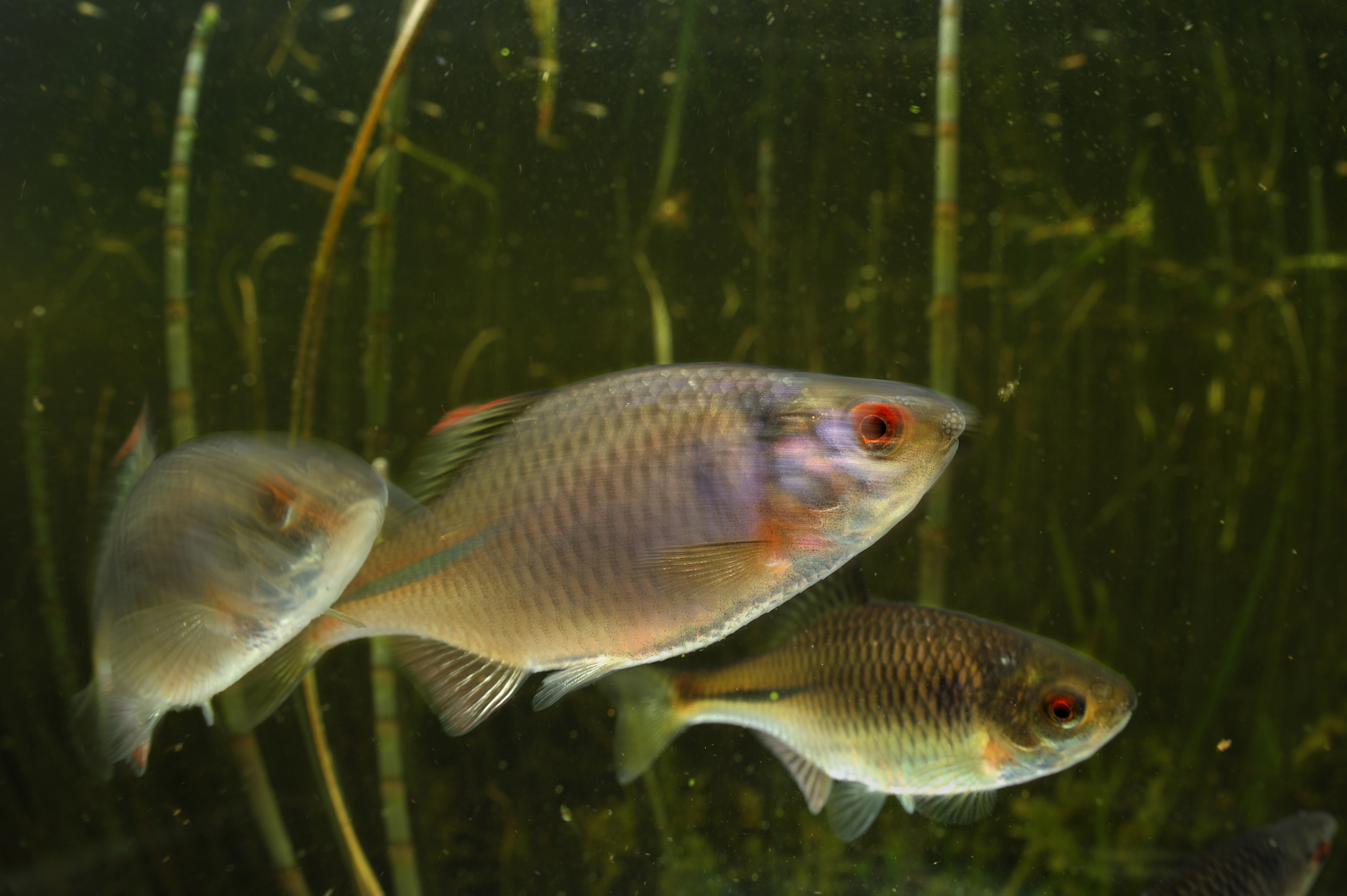
So how do fish cope with rising temperatures and falling oxygen concentrations? “A total of 26 fish species are found in Lake Müggelsee, including carp, perch, zander, roach, catfish and eel. All these species are quite temperature-tolerant. This means that, when oxygen is scarce, they can move to other water layers”, said IGB fish ecologist Thomas Mehner. However, in many deep lakes such as Stechlinsee or Lake Constance, there are also species that particularly favour colder temperatures, such as the whitefish. “For these cold-loving species, their so-called ‘temperature habitats’ shrink when the oxygen concentration in the deep water falls. These are the areas of the water where they can remain without experiencing heat stress”, said the researcher.
Aquatic plants: less direct heat stress, more indirect effects due to more turbid water
© Berit Kraushaar
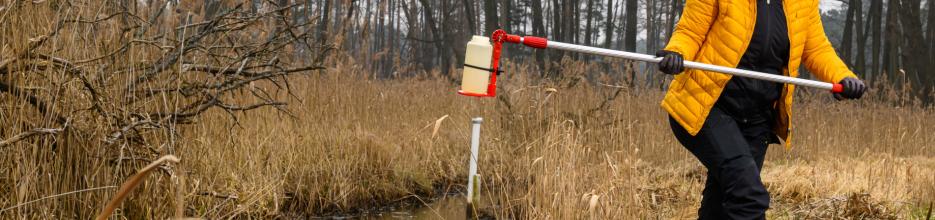
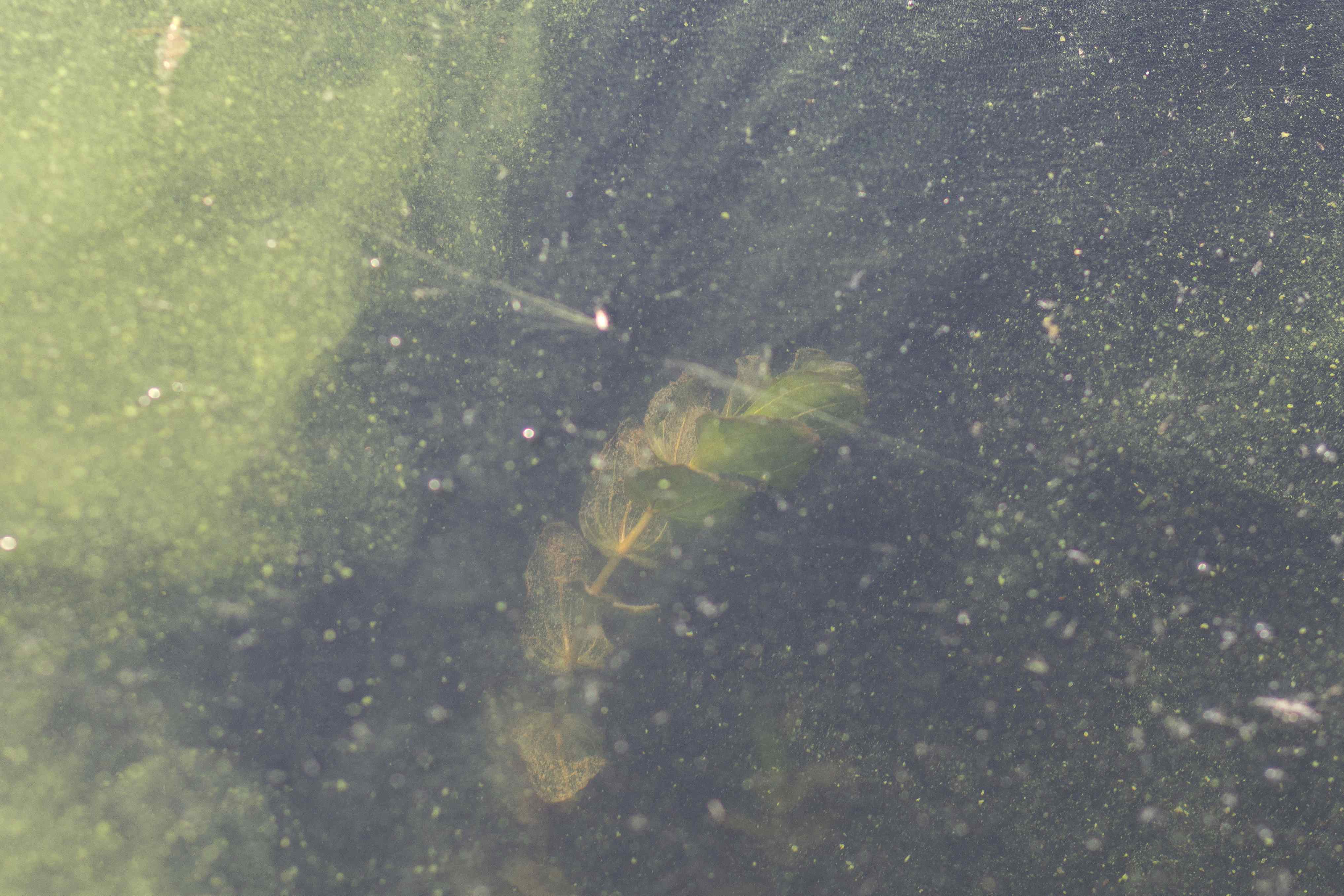
Amine Mahdjoub from IGB combines field observations in Lake Müggelsee with laboratory experiments to investigate how submerged aquatic plants respond to environmental stressors such as warming and low oxygen. Using the submerged macrophyte Stuckenia pectinata (sago pondweed) as a model species, he quantifies plant performance by measuring photosynthetic efficiency, a sensitive indicator of physiological stress. Stuckenia pectinata is a widespread rooted aquatic plant that grows on the lake bed and is commonly found in lakes and slow-flowing freshwater systems. “A moderate increase in temperature initially benefits the plants because photosynthesis and metabolism are stimulated," explains the researcher. "Even two days at 33°C do not induce measurable stress. However, my experiments show that around ten consecutive days at 32-33°C lead to a pronounced decline in photosynthetic performance." Such a prolonged heatwave has not yet been recorded in Lake Müggelsee.
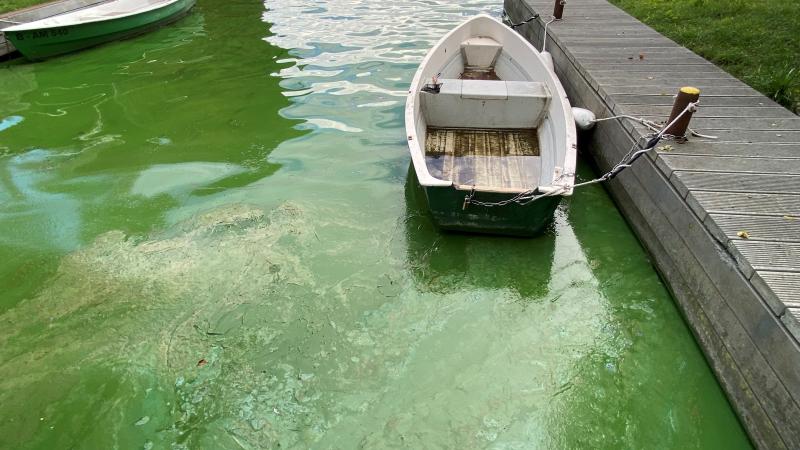
Rather than direct heat damage, the main effects of warming are likely to be indirect. "During the June 2026 heatwave, we observed a substantial increase in micro-oganisms and filamentous algae in Lake Müggelsee. These reduced water clarity and increased shading, limiting the light available for submerged plants," says Amine Mahdjoub. "These observations suggest that, under current conditions, heatwaves may affect aquatic vegetation more through the ecological changes they trigger than through temperature alone. However, longer or more intense heatwaves could directly induce thermal stress, while repeated heatwaves in close succession may have cumulative effects that are still poorly understood."
Mussels: these vital filter-feeders are struggling
© Klaus van de Weyer
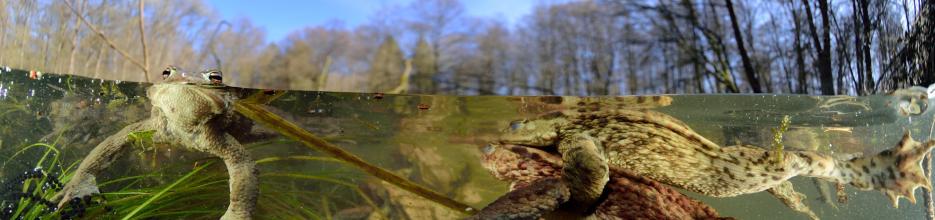
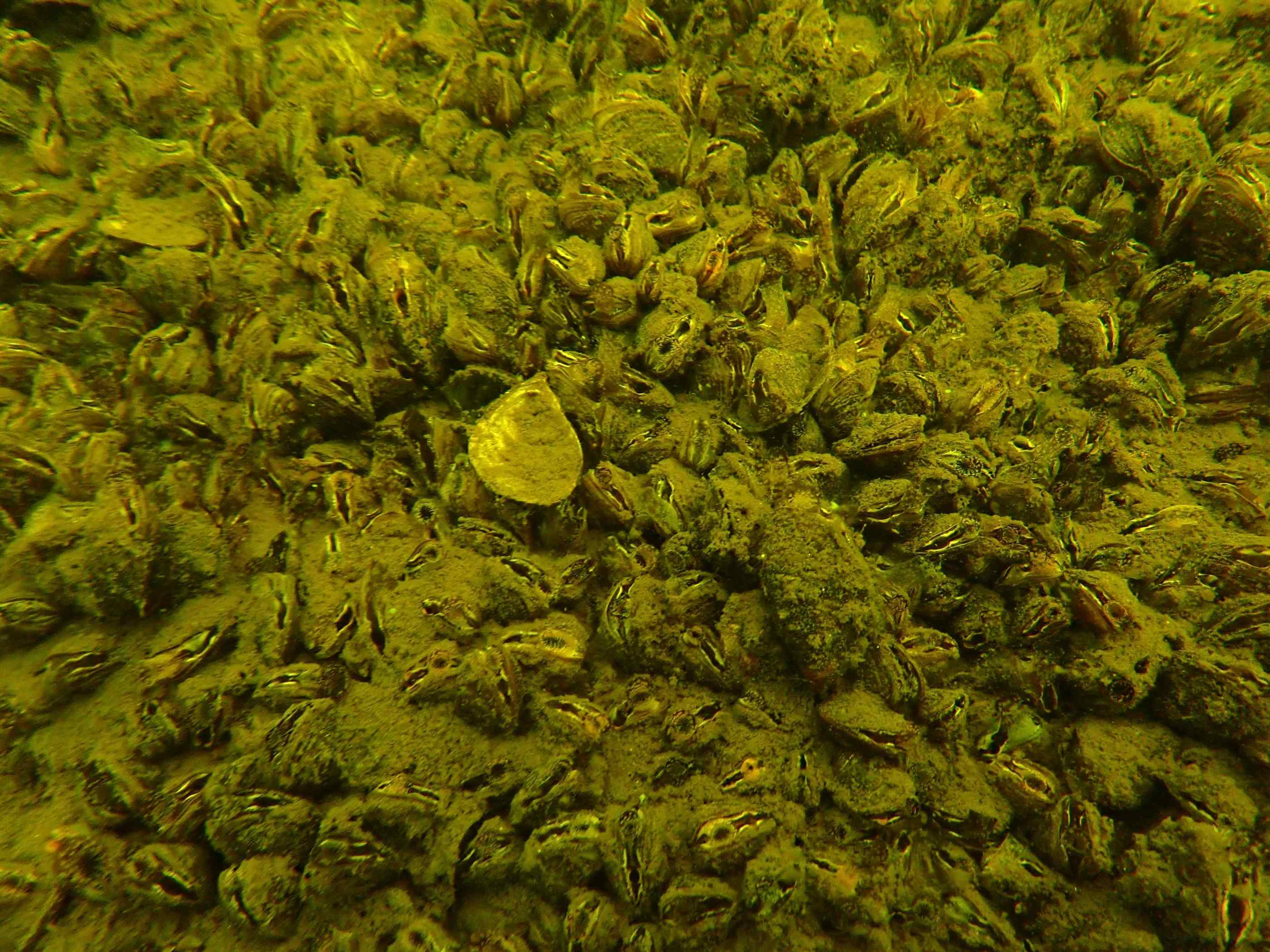
Algae and cyanobacteria thrive particularly well at warmer temperatures and can tolerate low oxygen levels. As a recent study by IGB researcher Jonas Mauch showed, at high temperatures they are also filtered out of the water to a lesser extent by mussels. This is because mussels, too, suffer from warmer water temperatures. Jonas Mauch investigated the filtering performance of the invasive quagga mussel. This species accounts for around 97 per cent of the mussel biomass in Lake Müggelsee. They cover around a third of the lake bed and can reach densities of 46,000 individuals per square metre. “Since they have been settling in Lake Müggelsee, the water has become much clearer, as they filter it completely through almost twice a day”, said Jonas Mauch. In this way, the quagga mussel also reduces the levels of cyanobacteria (‘blue-green algae’) in the lake. However, a study by Jonas Mauch from April 2026 shows that this performance declines as the temperature rises. “Many mussels have died as a result of the heatwave. In experiments, we were able to show that the mussels die after just four hours at a temperature of 32 °C”, said the researcher. According to the study, the mussels stop filtering at temperatures of 28 °C, which is why cyanobacteria can multiply more rapidly in Lake Müggelsee again above this temperature. “At high temperatures, we therefore lose the mussels’ vital filtering capacity,” said Jonas Mauch.
Weitere Zahlen rund um Binnengewässer im Klimawandel (mit Links zu den Studien, die meisten mit IGB-Beteiligung):
- Laut Modellszenarien werden sich die Seen mit jedem Anstieg der Lufttemperatur um 1 °C um rund 0,9 °C erwärmen und jährlich 10 Tage kürzer von Eis bedeckt sein. Studie in Nature Geoscience >
- Der Sauerstoffgehalt in den Süßwasserseen nimmt rapide ab – um ein Vielfaches schneller als in den Ozeanen. So sank zum Beispiel in den letzten vier Jahrzehnten der Sauerstoffgehalt im tiefen Wasser von Seen der gemäßigten Breiten um fast 18 Prozent. Studie in Nature >
- Forschenden untersuchten, wie sich Temperaturlebensräume in Seen als Reaktion auf den Klimawandel bereits verändert haben – ob sie schrumpfen oder sich ausdehnen. Für weniger anpassungsfähige Arten reduzierten sich die Lebensräume zwischen den Zeiträumen 1978-1995 und 1996-2013 weltweit um fast 20 Prozent. Studie in Nature Climate Change >
- 60 Prozent der globalen Fließgewässerstrecken fallen an mindestens einem Tag im Jahr trocken – über alle Kontinente und klimatischen Zonen hinweg. Über die Hälfte der Weltbevölkerung lebt in der Nähe dieser zeitweise trocken fallenden Flüsse – Tendenz steigend. Die Folgen: Lebensräume schwinden und Treibhausgase werden aus den trocken fallenden Bereichen freigesetzt. Studie in Nature >
Hintergrundinformationen: Was ist eigentlich ein See?
- In Deutschland gibt es rund 300.000 stehende Gewässer. Doch nicht alle können tatsächlich als See bezeichnet werden. In der Regel versteht man unter einem See ein Binnengewässer, das über einen Hektar groß ist und eine Wasserverweilzeit von mindestens drei Tagen hat.
- Seen sind immer Sammelbecken der Einflüsse aus dem Einzugsgebiet. Die Anreicherung von Nährstoffen (aus kommunalen oder industriellen Einleitungen, Einträge von Düngemitteln aus der Landwirtschaft, etc.) ist nach wie vor ein Hauptproblem der Gewässerqualität von Seen.
- Für Seen über 50 Hektar Größe gilt die EU-Wasserrahmenrichtlinie (EU-WRRL). Das Ziel: einen guten ökologischen und chemischen Zustand für diese Gewässer zu erreichen. Sie unterliegen einem Verschlechterungsverbot.
- Der überwiegende Teil der Seen in Deutschland ist deutlich kleiner als 50 Hektar, weshalb dort keine Berichtspflicht für die EU-WRRL besteht. Dabei wird häufig übersehen, dass nach EU-WRRL auch die nicht berichtspflichtigen Gewässer einen guten ökologischen Zustand erreichen müssen.