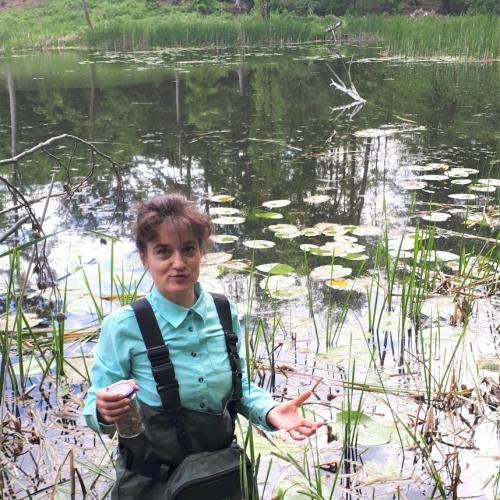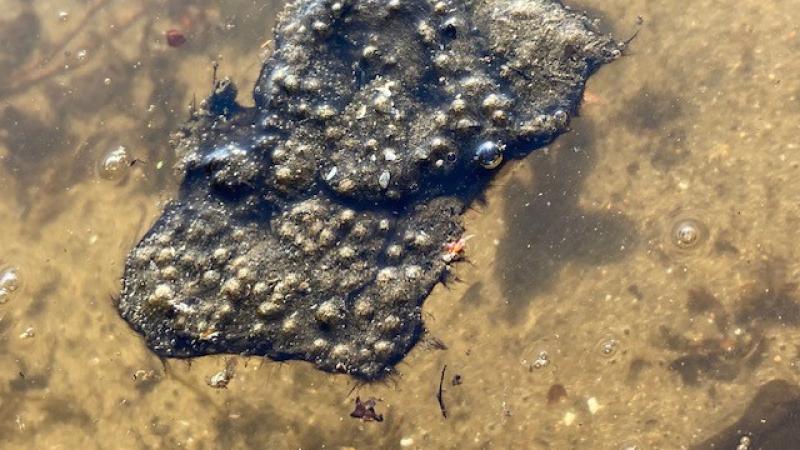

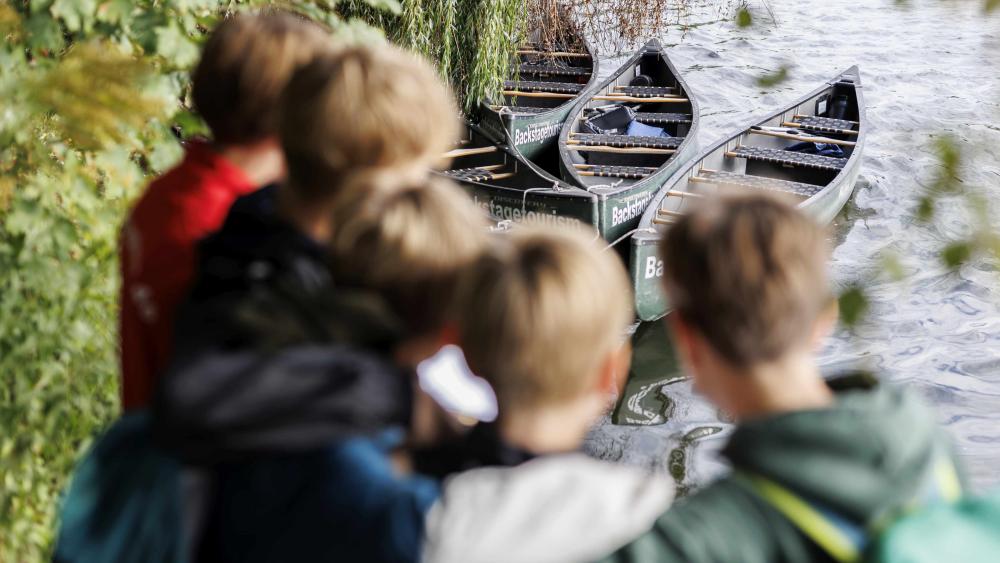
As part of a project with Berlin’s Spreepark, Berlin elementary school children got to know freshwater ecosystems better during a canoe trip. This helps them understand why it’s important to protect these vital habitats. And anyone—young or old—can help protect our waters. | Photo: Frank Sperling
~ Article by Silja Reichling, high school intern in the Communications and Knowledge Transfer Team ~
Trash doesn’t belong in nature
Plastic waste, cigarette butts, and other trash are often carried by wind and rain into streams, rivers, lakes, and oceans. There, they release harmful substances, break down into microplastics, and endanger animals that ingest the particles, mistaking plastic for food.
That’s why it’s important to always dispose of trash properly and, whenever possible, prevent it from entering the environment in the first place. If you want to do even more, you can participate in cleanup events or organize your own collection drives along bodies of water. Every item collected prevents it from ending up in the water, where it could mean death for an animal.
Summer, sun, sunscreen?
For many people, taking a dip in cool water on a hot, sunny day is part of what makes summer special. But many people aren’t aware that certain ingredients in sunscreen and insect repellent can harm aquatic life. Substances like octocrylene, icaridin, or microplastics end up directly in the water when you swim and can harm fish and other aquatic life. It’s therefore worth taking a look at the symbols on the packaging and the ingredients list. In addition, you should allow enough time for sunscreen and insect repellent to absorb before entering the water.
The same applies to other cosmetics and personal care products. Many of them contain microplastics and harmful chemicals that can also enter the environment through wastewater when showering or using these products at home.
Waterfowl don’t need bread
Many people mean well when they feed fish, ducks, or swans with stale bread. However, bread poses a problem for both the animals and the water. It often contains a lot of salt, can become moldy, and introduces additional nutrients into the water. This disrupts the ecological balance. Therefore, the recommendation is: Do not feed waterfowl or fish with bread or any other food! The animals find plenty of food in their natural habitat.
Groundwater and nature conservation in your own garden
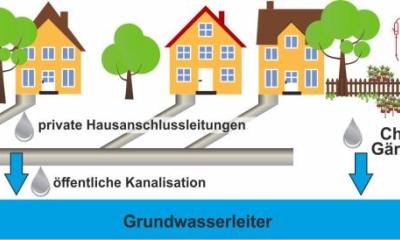
Pesticides, fertilizers, and other chemicals from gardens can seep into the groundwater and pollute water bodies. Even small amounts can have long-term effects on water quality and biodiversity.
Therefore, designing your garden to be as natural as possible not only protects insects and birds but also the water. Pesticides and fertilizers should be used as sparingly as possible—or not at all. Environmentally friendly alternatives are often just as effective. It’s also a good idea to have private sewage lines inspected regularly.
Saving water
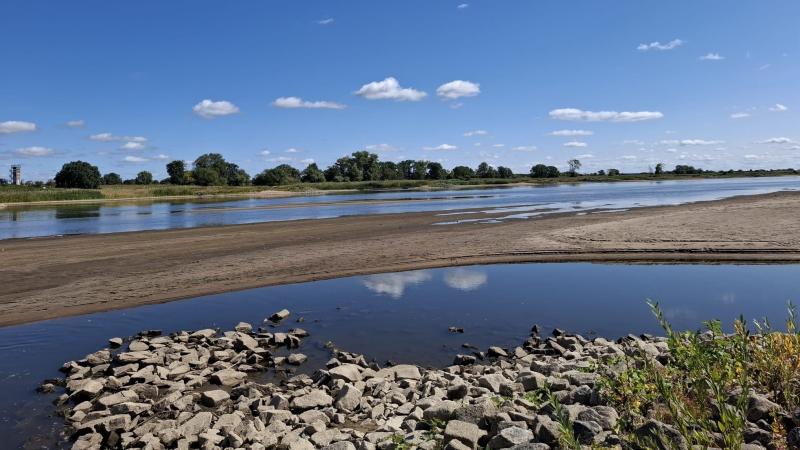
Many bodies of water lose significant amounts of water in the summer, such as the Müggelsee in Berlin. As a result, the Spree River sometimes even flows “backward” into the Müggelsee (for a full 70 consecutive days in 2022). Müggelsee supplies water to about 300,000 households. When this and other rivers and lakes lose their water, it puts a strain on animals, plants, and us humans as well. Water scarcity is one of the major challenges of the coming decades.
There are many small ways to save water in everyday life: taking a quick shower instead of a bath, running the washing machine and dishwasher only when they’re full, using water-saving fixtures (e.g., showerheads or toilet flushes), or collecting rainwater in barrels and cisterns. Water collected from household sources, such as the kitchen sink or bathroom sink, can also be used for watering plants (Note: Make sure there’s no soap or dish detergent in it). The production of many products we use every day also requires enormous amounts of water. Coffee, cocoa, meat, nuts, coconut products, avocados, and asparagus, for example, are particularly water-intensive. Clothing and electronics also consume large amounts of water during their production. Conscious consumption therefore indirectly helps protect our water resources as well.
Be considerate when out on the water
Motorboats and other watercraft generate noise and waves that can stress fish and waterfowl. New trend-based water sports equipment, such as eFoils, can also cause significant disturbances in some cases. Anyone out on the water should therefore generally avoid unnecessary noise and keep a safe distance from the shore. This is because reed beds are among the most important habitats along lakes and rivers. They provide shelter for birds, fish, and numerous other species. At the same time, they stabilize the banks and improve water quality. For this reason, swimming should only take place at designated swimming areas, and reed beds should never be entered or swum through, as even minor disturbances can endanger nesting sites.
Sustainable angling is the way to go!
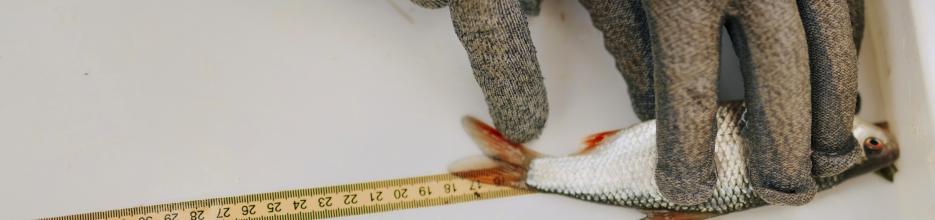
Anglers, too, can do a lot to help protect our waters. Researchers recommend sparing large and old fish in particular. These fish invest heavily in their offspring and play a key role in maintaining stable fish populations. Instead of simply setting minimum sizes, a so-called “harvest window” can be helpful: only medium-sized fish are caught, while very small and very large fish remain in the water.
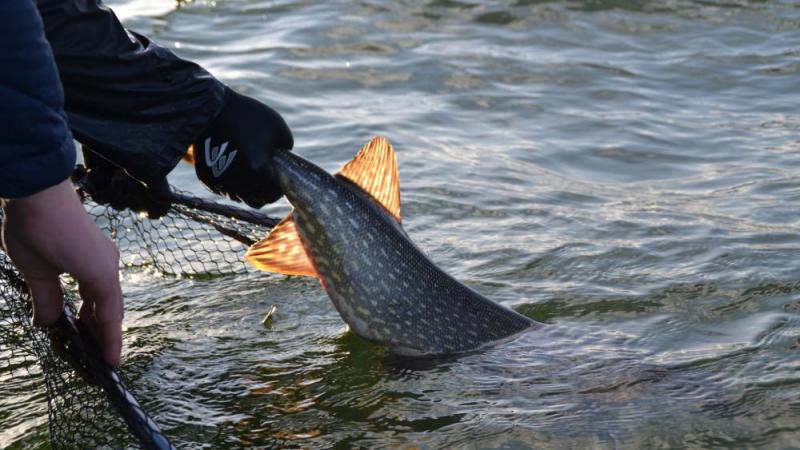
In addition, environmentally friendly or natural bait, barbless hooks, and gentle landing nets can be used. Modern, sustainable equipment and recyclable fishing lines also contribute to more sustainable fishing.
Climate protection is water protection
Climate change is already altering our water bodies. In Berlin’s Müggelsee, the summer water temperature has risen by more than two degrees Celsius over the past 50 years. Researchers warn that this could partially undo the progress made in water quality improvement.
Therefore, protecting the climate and the environment also means protecting lakes, rivers, and groundwater. This includes, for example, using public transportation instead of a private car, utilizing renewable energy, adopting energy-saving habits in general, reducing meat consumption, and consciously purchasing regional products.
Communication is the key to better water protection
After all, environmental protection works best when many people get involved. Information and dialogue play a crucial role in this. Anyone who stays informed, shares their knowledge, or contributes their own ideas is already making an important contribution. Whether through community projects, surveys, or local conservation efforts—every act of participation helps us better understand our waterways and protect them in the long term.
Every drop counts
Water protection doesn’t start with major political decisions. It begins in everyday life—while shopping, swimming, gardening, fishing, or going for a walk. Many small decisions can add up to make a big difference. Protecting our waters also protects biodiversity, drinking water, and the quality of life for future generations.
Macroplastic in urban waterways: assessing storage in Berlin’s Spree River
Electrical Conductivity as a Tracer for Seasonal Reverse Flow and Transport of Trace Organic Contaminants in River Spree
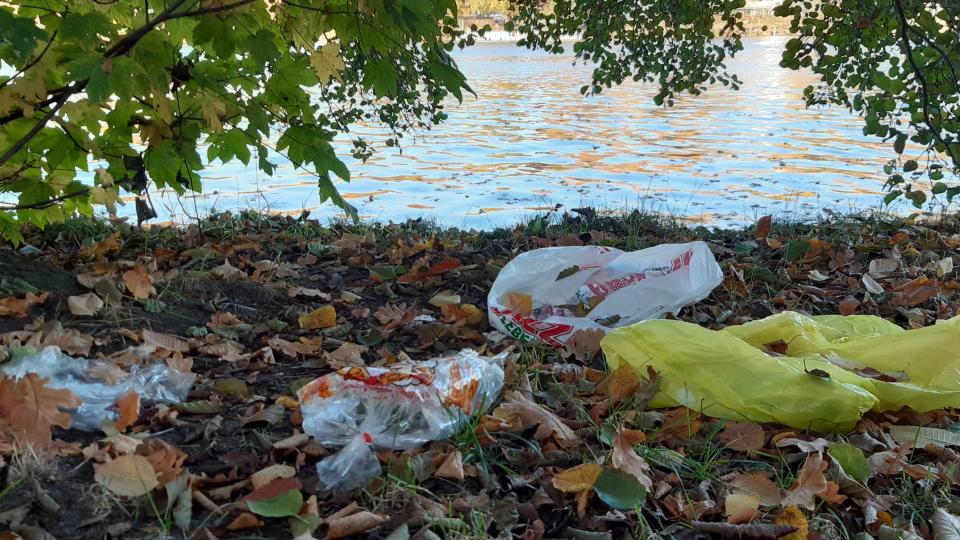
Plastic waste is a major human-made problem. | Photo: Martin Blettler
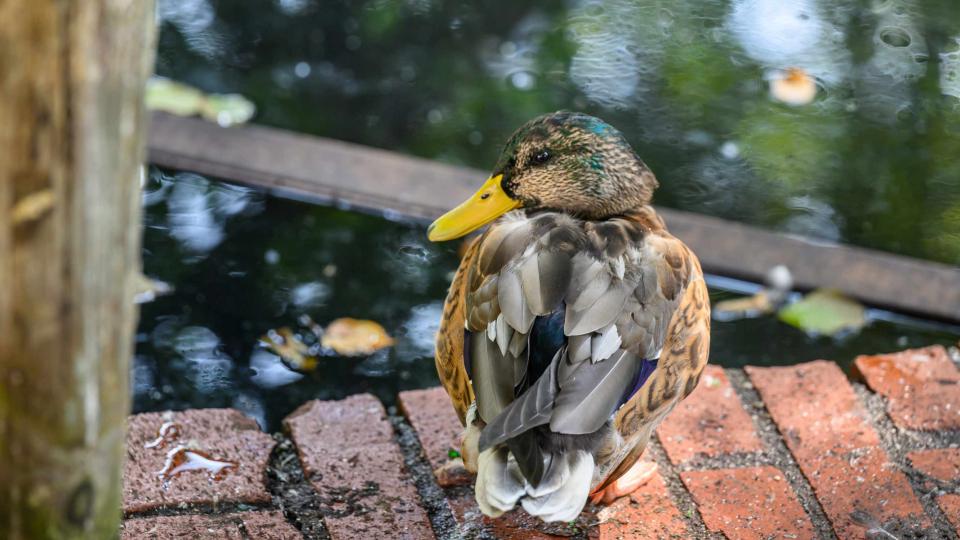
Waterfowl are often directly affected by human activities along waterways | Photo: IGB
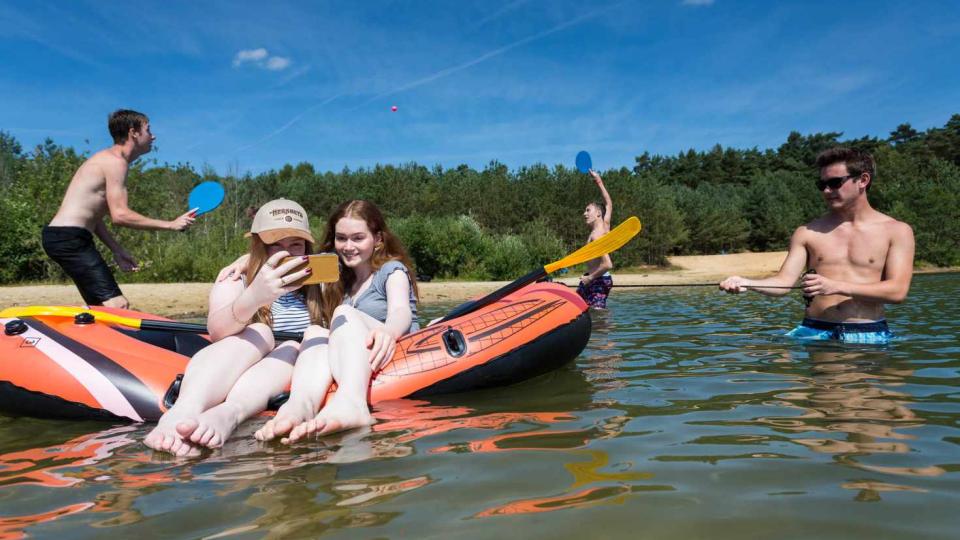
Even when enjoying a swim in a lake or river, you should be careful not to harm nature or the animals with your behavior. | Photo: Florian Möller, AVN
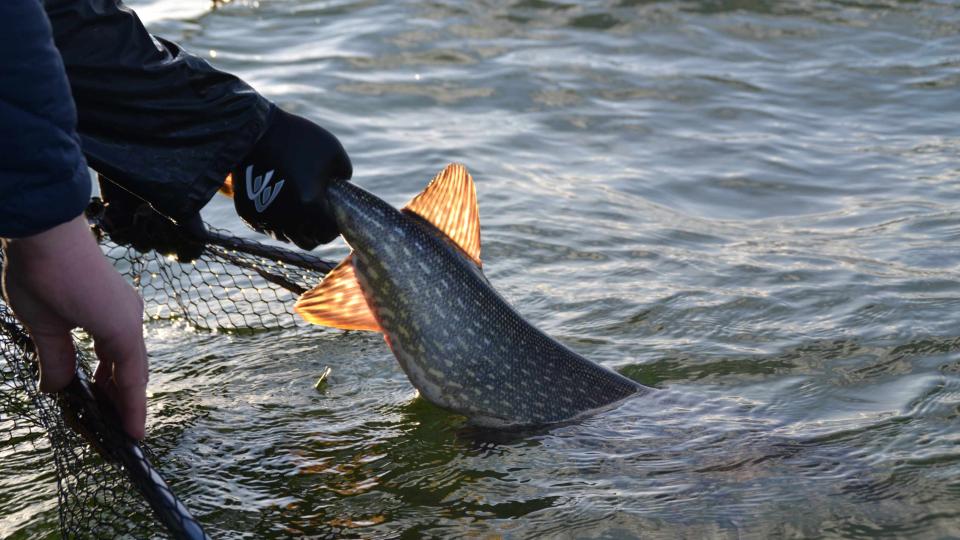
When it comes to recreational fishing, in particular, there are many things to keep in mind to protect the waters and their inhabitants. | Photo: Philipp Czapla