Filter for Search for news Programme area Programme areaBiodiversity in a Changing WorldEcosystem Services for a Sustainable FutureDimensions of Complexity of Aquatic SystemsPredictive Ecology in the Anthropocene Topic TopicAdaptation and evolutionFreshwater habitatsClimate and environmental changePollutants and matter cyclesWater in the landscapeFreshwater management and conservationFisheriesFish behaviour and swarm intelligence Format Formatpress releaseinsightshort newsfocus Apply 1 - 10 of 737 items 11 November 2026 insight 10 days of conversation, ‘aha’ moments and a hug Research comes to life when people engage in conversation with one another. That is why, during Berlin Science Week from 1 to 10 November, IGB brought together science, art, literature, and personal experiences at eleven very different events. 10 November 2026 insight The Galileo Research Award goes to Franz Hölker Dr Franz Hölker is a pioneer in the field of light pollution research. He has now been awarded the Galileo Research Award by the International Dark-Sky Association. 4 November 2026 short news Releasing fish in accordance with responsible fishing practice The IGB’s “Waidgerecht” project has published a video setting out eight scientifically based basic rules for the gentle release of fish. 4 November 2026 press release Mitigating the ecological consequences of light pollution A review article in Nature Reviews Biodiversity addresses the ecological consequences of artificial nighttime lighting. Based on a comprehensive assessment of the impacts on organisms on land and in water, the authors identify priorities for research and management. 3 November 2026 press release Cyanobacterial sludge as a source of greenhouse gases In some regions of the world, such as some Chinese lakes, cyanobacterial blooms are increasingly managed through large-scale mechanical harvesting to improve water quality and ensure a continued supply of drinking water. However, as a recent study shows, this does not prevent greenhouse gas emissions. 2 November 2026 press release How humans influence fish behaviour and why this is important for species conservation Two recent review articles in the journals “Trends in Ecology & Evolution” and “Fish and Fisheries” focus on the influence of humans on the diversity of fish behaviour, and on how management can help preserve this diversity. 1 November 2026 insight Change in the Institute’s leadership Professor Werner Kloas will take over as interim director of the IGB on 1 November 2026. The professor of endocrinology is a recognized expert in recirculating aquaculture and aquaponics systems, environmentally friendly fish feed, and hormonally active substances in freshwaters. 27 October 2026 short news Webinar on plankton analysis via FlowCam How do plankton communities respond to environmental changes, and how can these responses be reliably analysed? The FlowCam is an image-based flow cytometer that can analyse and quantify plankton within a short timeframe. A cost-free online webinar presents the potential applications of these analytical instruments. A key focus is on how artificial intelligence can simplify and accelerate the analysis process. 26 October 2026 insight Who needs IMMORTALITY, when there is FREEDOM? How do animals move from one place to another, and what dangers do they come across along the way? During Berlin Science Week, author and researcher Sophia Kimmig will read from her book Move! and discuss the mysteries of animal movement, its connection to freedom and survival, and its relationship to the state of our environment with other researchers and the audience. 15 October 2026 press release In particular in dry areas: Biodiversity safeguards the ecological functions of ponds A study published in Nature Ecology & Evolution sheds light on the relationship between biodiversity and the ecological functions of ponds in seven European countries. Pagination Current page 1 Page 2 Page 3 Page 4 Page 5 … Next page ›› Last page Last »
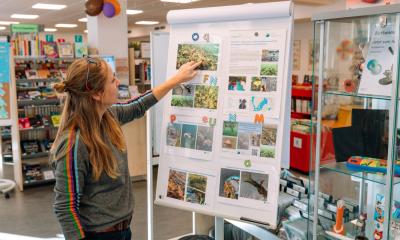
11 November 2026 insight 10 days of conversation, ‘aha’ moments and a hug Research comes to life when people engage in conversation with one another. That is why, during Berlin Science Week from 1 to 10 November, IGB brought together science, art, literature, and personal experiences at eleven very different events.
10 November 2026 insight The Galileo Research Award goes to Franz Hölker Dr Franz Hölker is a pioneer in the field of light pollution research. He has now been awarded the Galileo Research Award by the International Dark-Sky Association.
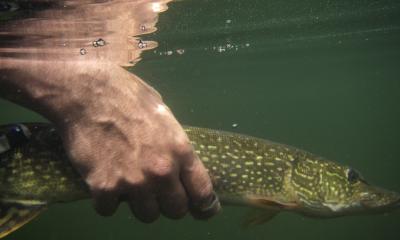
4 November 2026 short news Releasing fish in accordance with responsible fishing practice The IGB’s “Waidgerecht” project has published a video setting out eight scientifically based basic rules for the gentle release of fish.
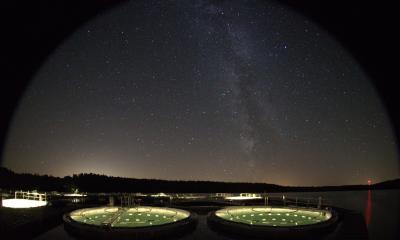
4 November 2026 press release Mitigating the ecological consequences of light pollution A review article in Nature Reviews Biodiversity addresses the ecological consequences of artificial nighttime lighting. Based on a comprehensive assessment of the impacts on organisms on land and in water, the authors identify priorities for research and management.
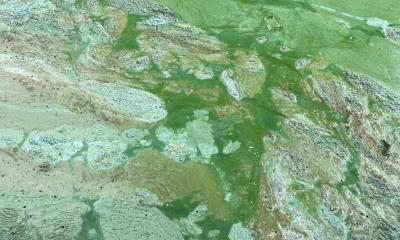
3 November 2026 press release Cyanobacterial sludge as a source of greenhouse gases In some regions of the world, such as some Chinese lakes, cyanobacterial blooms are increasingly managed through large-scale mechanical harvesting to improve water quality and ensure a continued supply of drinking water. However, as a recent study shows, this does not prevent greenhouse gas emissions.
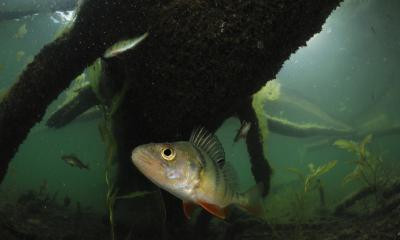
2 November 2026 press release How humans influence fish behaviour and why this is important for species conservation Two recent review articles in the journals “Trends in Ecology & Evolution” and “Fish and Fisheries” focus on the influence of humans on the diversity of fish behaviour, and on how management can help preserve this diversity.
1 November 2026 insight Change in the Institute’s leadership Professor Werner Kloas will take over as interim director of the IGB on 1 November 2026. The professor of endocrinology is a recognized expert in recirculating aquaculture and aquaponics systems, environmentally friendly fish feed, and hormonally active substances in freshwaters.
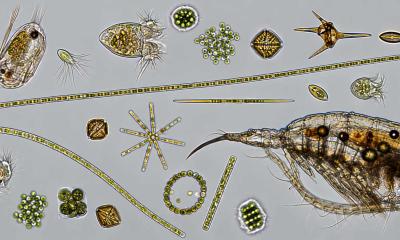
27 October 2026 short news Webinar on plankton analysis via FlowCam How do plankton communities respond to environmental changes, and how can these responses be reliably analysed? The FlowCam is an image-based flow cytometer that can analyse and quantify plankton within a short timeframe. A cost-free online webinar presents the potential applications of these analytical instruments. A key focus is on how artificial intelligence can simplify and accelerate the analysis process.
26 October 2026 insight Who needs IMMORTALITY, when there is FREEDOM? How do animals move from one place to another, and what dangers do they come across along the way? During Berlin Science Week, author and researcher Sophia Kimmig will read from her book Move! and discuss the mysteries of animal movement, its connection to freedom and survival, and its relationship to the state of our environment with other researchers and the audience.
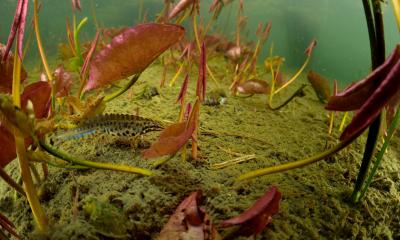
15 October 2026 press release In particular in dry areas: Biodiversity safeguards the ecological functions of ponds A study published in Nature Ecology & Evolution sheds light on the relationship between biodiversity and the ecological functions of ponds in seven European countries.