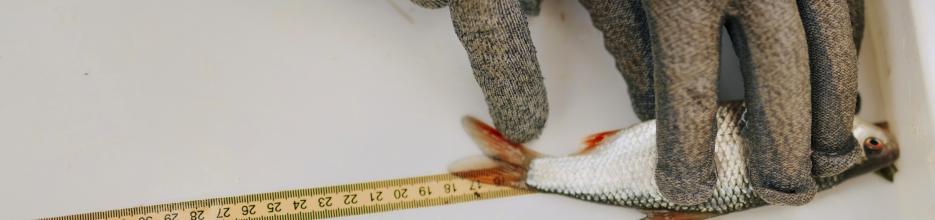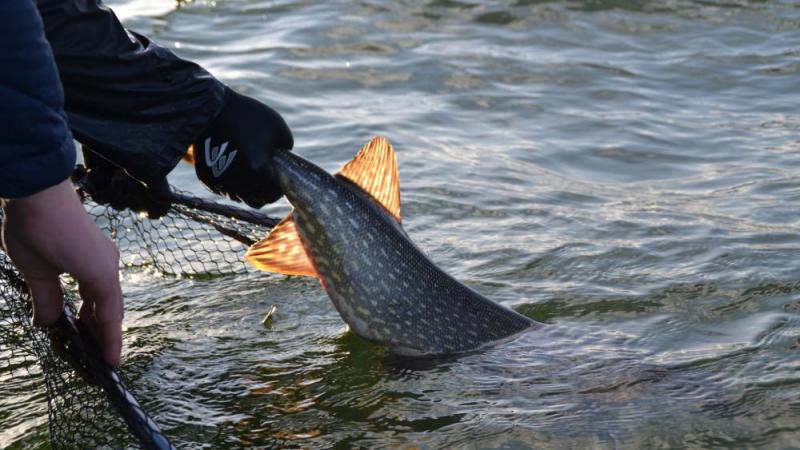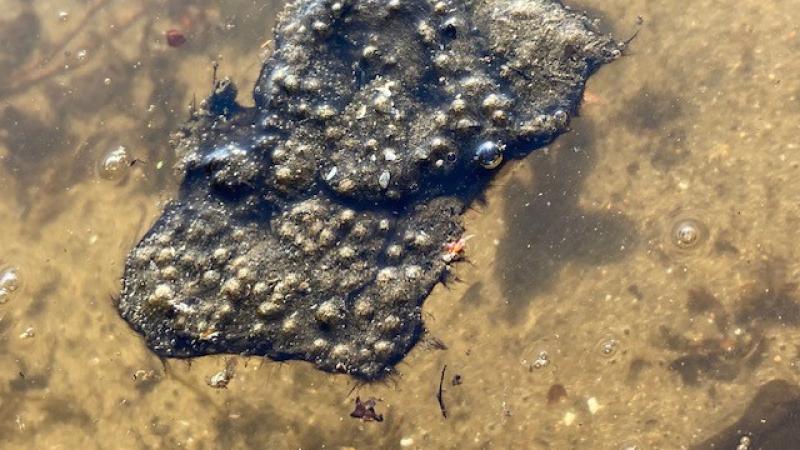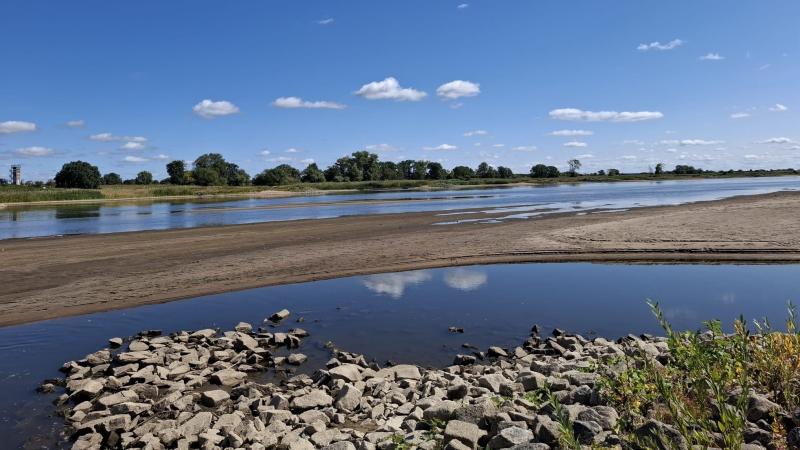

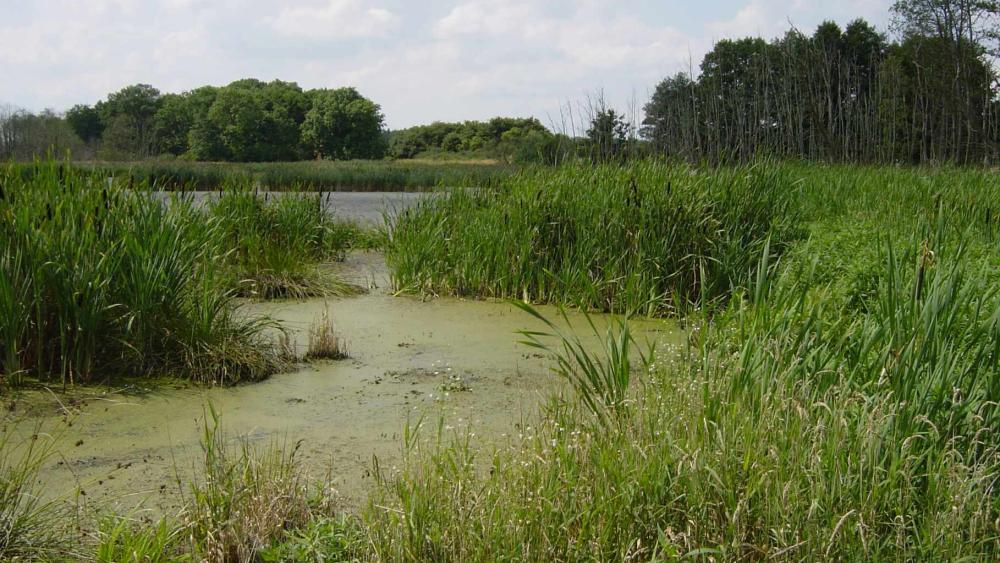
Riverine wetlands are important habitats and they also help to mitigate the effects of climate change. | Photo: Dominik Zak
Riverine and coastal wetlands play a key role in climate protection and provide important ecosystem services. These include contributions to carbon storage, water retention, flood protection, nutrient retention, local recreation, and nature tourism. At the same time, they are among the ecosystems most threatened by climate change. Only 12 percent of the EU's riverine and coastal wetlands are currently in a favorable conservation status. Averting large-scale losses of these valuable ecosystems in the coming years will depend on the decisions taken today.
The special issue published in the journal Nature Conservation provides a sound basis for this. It brings together the latest findings from science, politics, and practical implementation on wetland restoration. In addition to case studies of successful examples in Europe, the special issue also highlights the EU Nature Restoration Law as a key instrument for restoring river floodplains on a large scale – with multiple benefits for people and nature.
The publication was developed as part of the BioClim-Wetlands project, commissioned by BfN with funds from BMUKN.