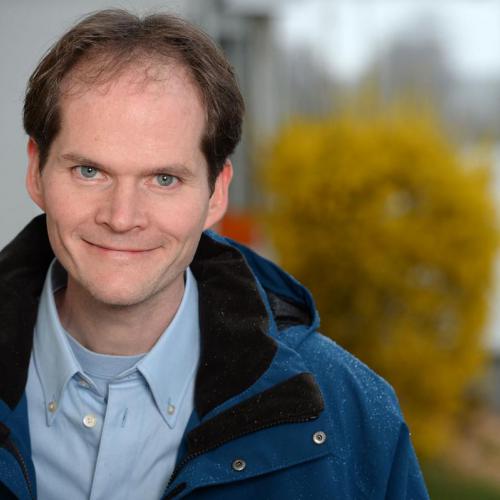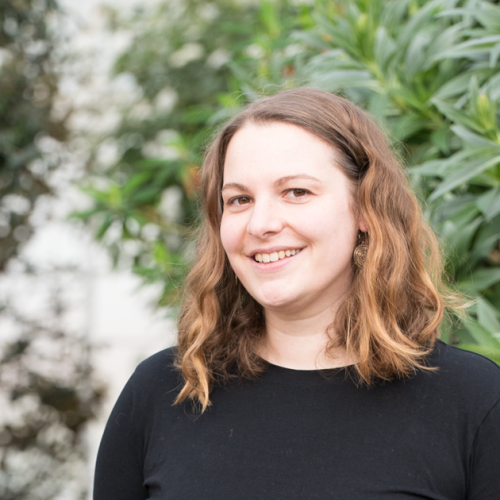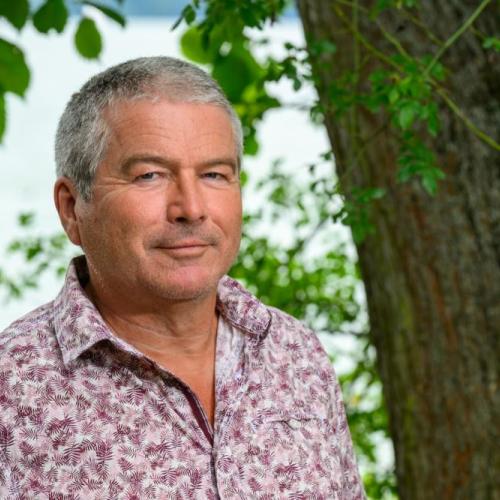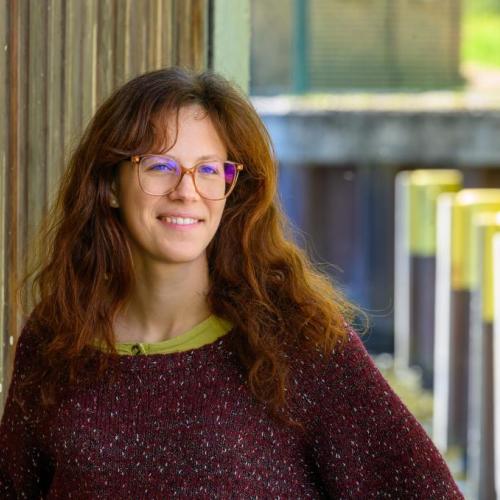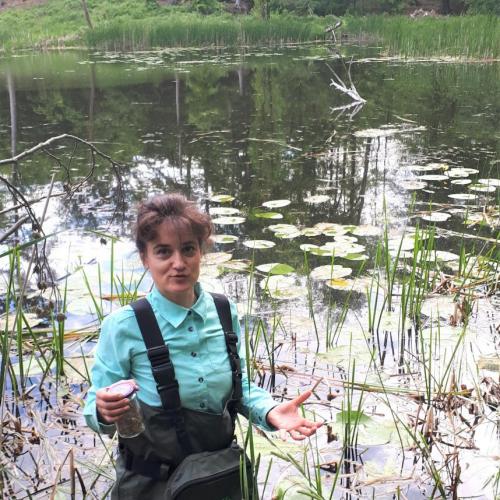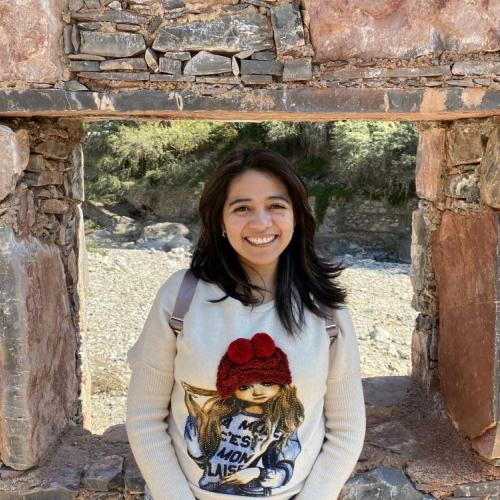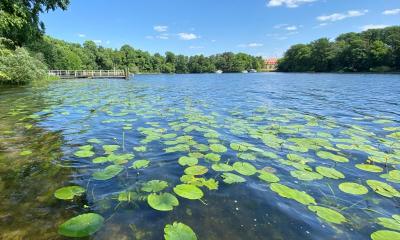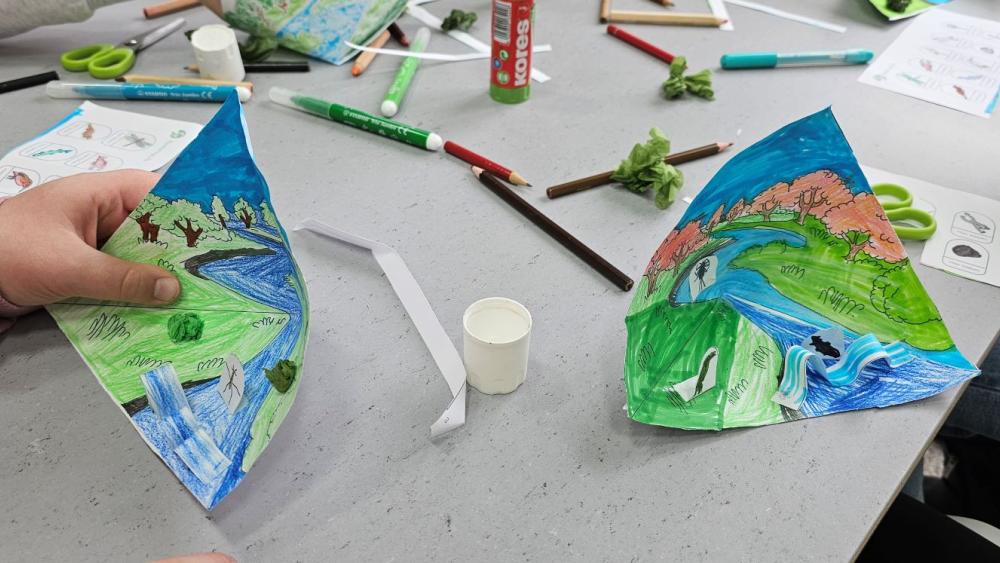
What is harming our rivers? And how can we protect their habitats? We discussed these and other questions with young and old alike. | Photo: Gabriela Costea
In the 'Knowledge between Books' series, held in six Berlin libraries, literature provided a starting point for exploring environmental issues. IGB researcher Jonathan Jeschke discussed the science fiction novel 'Gras' by the author Bernhard Kegel with him. Researcher and author Sophia Kimmig took her audience on a journey of discovery through the curious forms and mysteries of locomotion in the animal kingdom, based on her book 'Move!'.
The event ‘Rivers as Spaces of Life and Conflict’ offered a multi-layered perspective on our waters. A sound installation, talks, and a live performance by the ensemble FrauVonDa// merged to create a multi-sensory experience. Members of the audience shared personal stories about their 'home rivers', from places such as Iran and Vietnam.
Young people also had the opportunity to share their perspectives at the 'Lau lacht wieder' workshop, where 24 schoolchildren developed their own ideas for the future of our rivers. Each child built a river diorama, populated it with plants and animals, and added a personal wish card for the river.
Another topic of conversation was the threat that cyanobacteria pose to humans and animals. Britta Geiser from the DIVATOX research project provided information on neurotoxic cyanobacteria in Berlin’s lakes and their associated dangers for dogs.
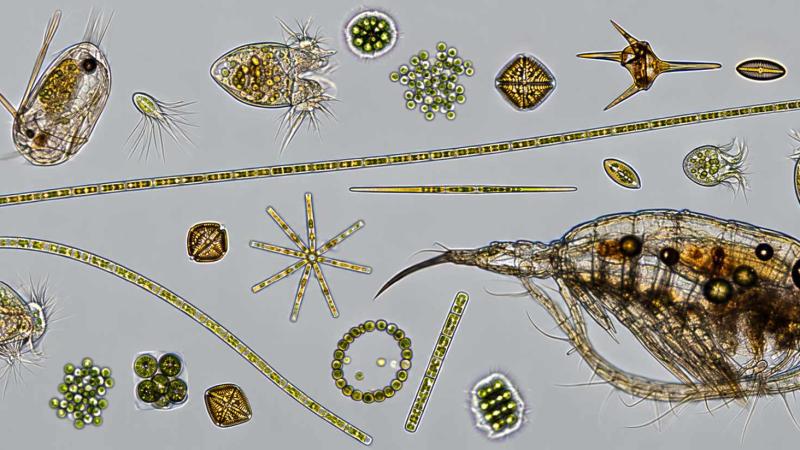
As part of the Leibniz Association’s 'Book a Scientist' initiative, members of the public were able to engage in one-to-one discussions with IGB researchers. Erika Martinez Ruiz explained how pollutants affect microscopic aquatic organisms. Elsa Anderson showed how art can offer new insights into urban biodiversity and the relationship between city dwellers and nature.
When research becomes personal
What became clear in many conversations was that: The loss of aquatic habitats and species concerns and affects people. Visitors shared similar observations regarding habitat degradation, pollution, conflicts over land use, and environmental disasters.
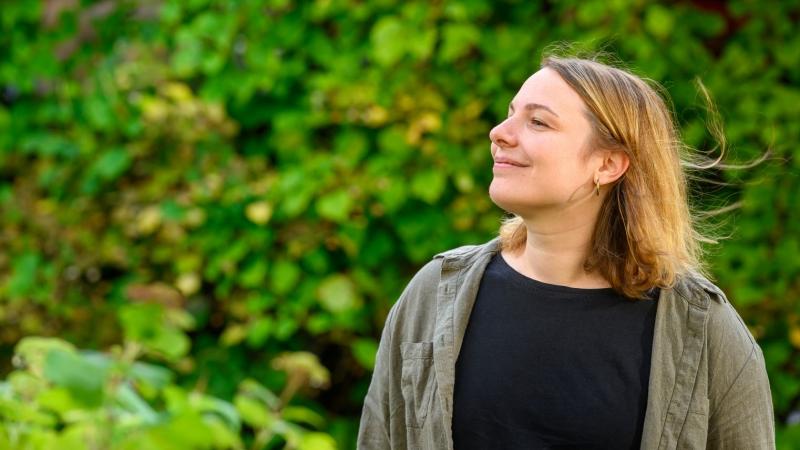
Particular moments stood out, such as when a girl asked IGB researcher Gabriela Costea whether the IGB would be coming back as she was leaving. She then gave the researcher a hug. Gabriela Costea is convinced that: “With heart and commitment, stories, art and knowledge of nature can forge emotional connections with rivers. This is important so that children can get involved in protecting them.”
Knowledge often begins with a question, but sometimes it begins with a hug.
We would like to thank all the participants, as well as the libraries and other venues that welcomed us.