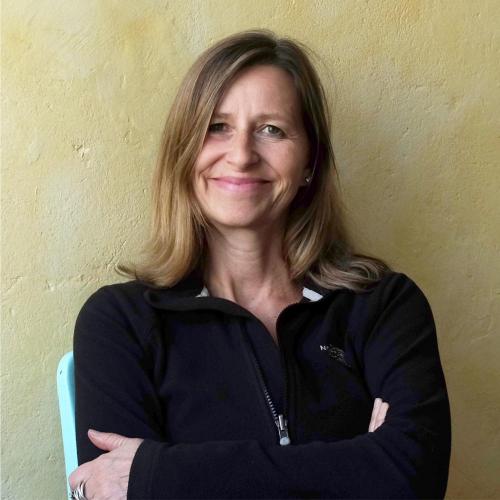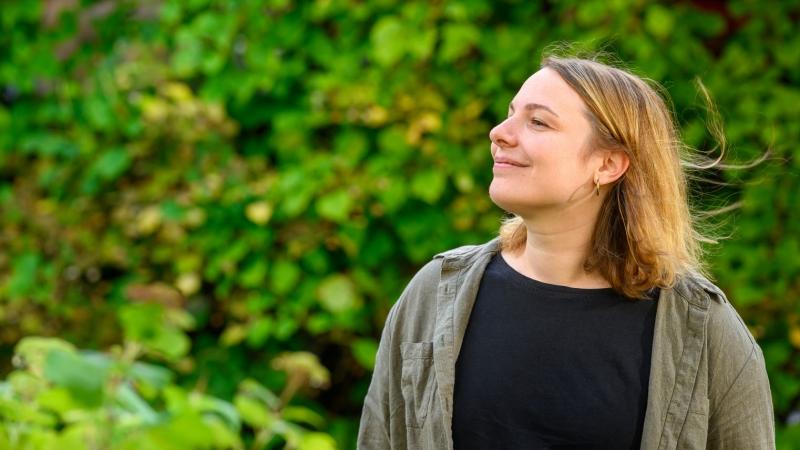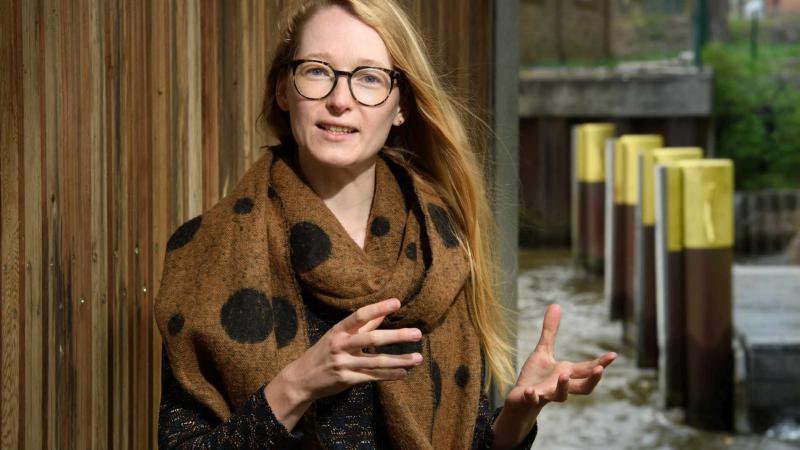

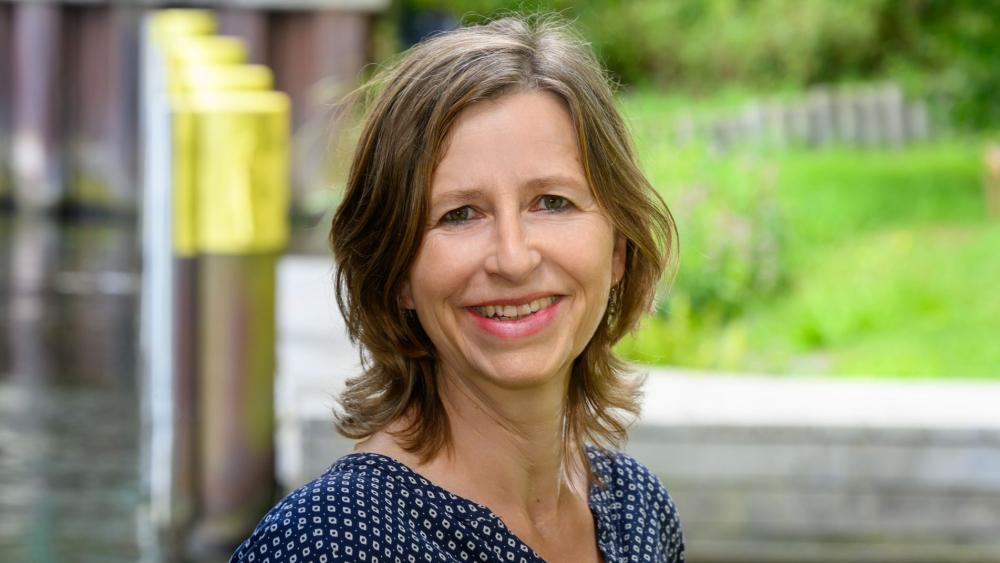
A new research group leader at IGB, Dr Dagmar Frisch. | Photo: David Ausserhofer
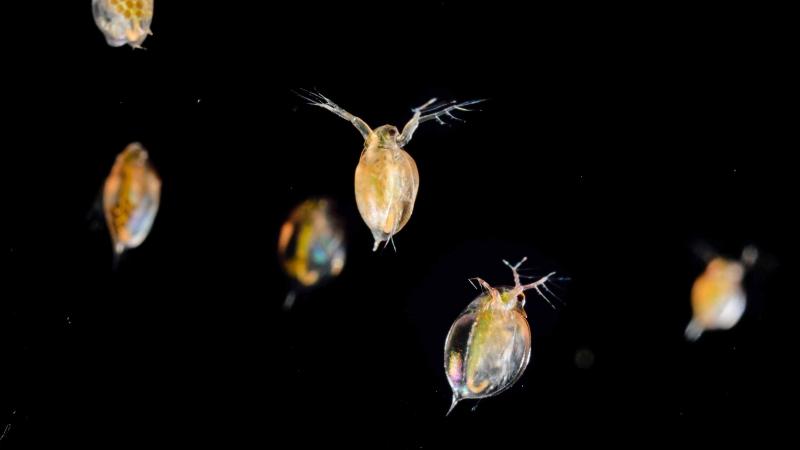
Ms Frisch, you work with tiny, living time machines; waterflea eggs can survive for decades at the bottom of lakes and then be brought back to life. Living water fleas actually hatch from them. How does a peek into the past help us make predictions about the future?
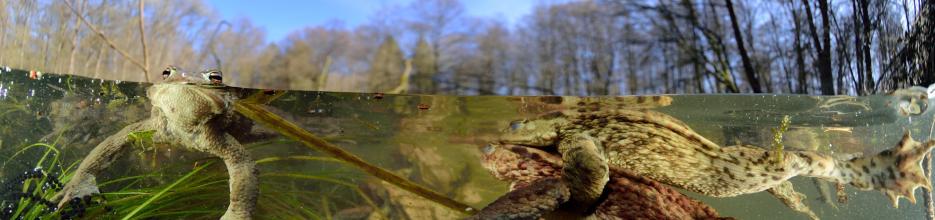
By reviving historical eggs of the waterflea Daphnia, but also the dormant stages of copepods, rotifers, algae and others, we can learn a lot about their ancestral populations. The lake sediment is therefore a kind of time capsule, an archive for a natural long-term experiment that reflects the changing environmental conditions over decades or centuries. What is particularly exciting is that we can directly observe processes over long periods of time, such as the process of evolutionary adaptation. This allows us to identify minimal changes in the DNA of populations which form the basis for their ability to adapt to new environmental conditions. The layered lake sediment also contains information that can be used to reconstruct environmental change: for example, which plankton species existed over time, or which pollutants were found in the water, and how these also changed over the studied time periods. With the help of such data, we can investigate the capacity of plankton to adapt to environmental change, how rapidly this evolutionary adaptation can happen, but also what its limits are. Together, such information can then be used, for example, for mathematical modelling of future scenarios.
You have been at the IGB for four years now and have strengthened your ties to the institute as head of the new research group. What is the main reason you like it here so much?
There isn't really one main reason – it's more complex than that. One of the important aspects is, of course, the topic of water, which connects us at the IGB, and the common goal of contributing to the protection of our freshwater ecosystems and their biodiversity. I also particularly like the diversity at various levels at IGB: the internationality and cultural diversity of the staff, and the general range of research, from basic to applied research, with plenty of scope for joint projects.
If you could travel through time, where would you go?
That's a difficult question. Actually, you're not supposed to travel back in time because it's problematic for the space-time continuum – just joking! I would really find it fascinating to see with my own eyes whether feathered dinosaurs of the Cretaceous period were actually colourful and what colours they had.