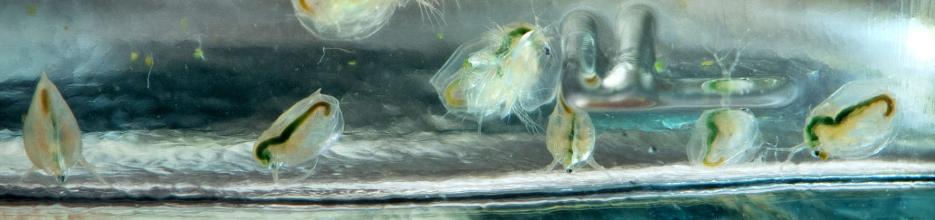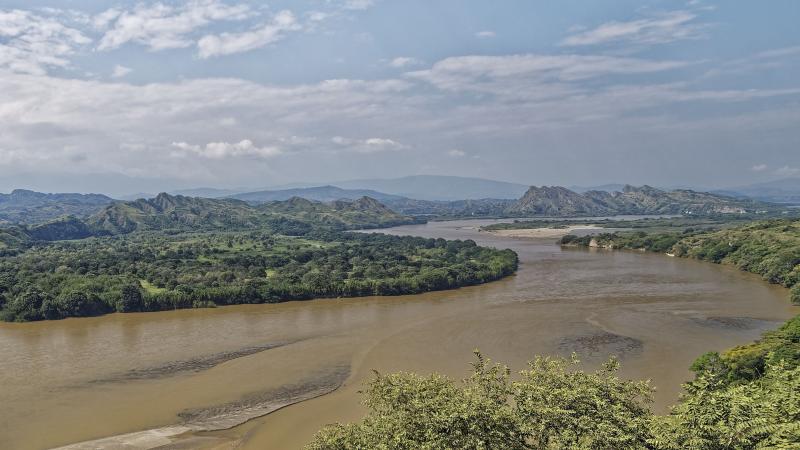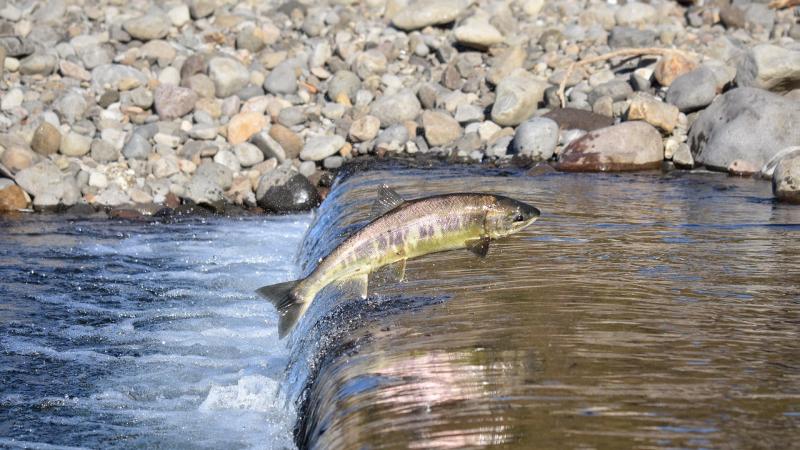

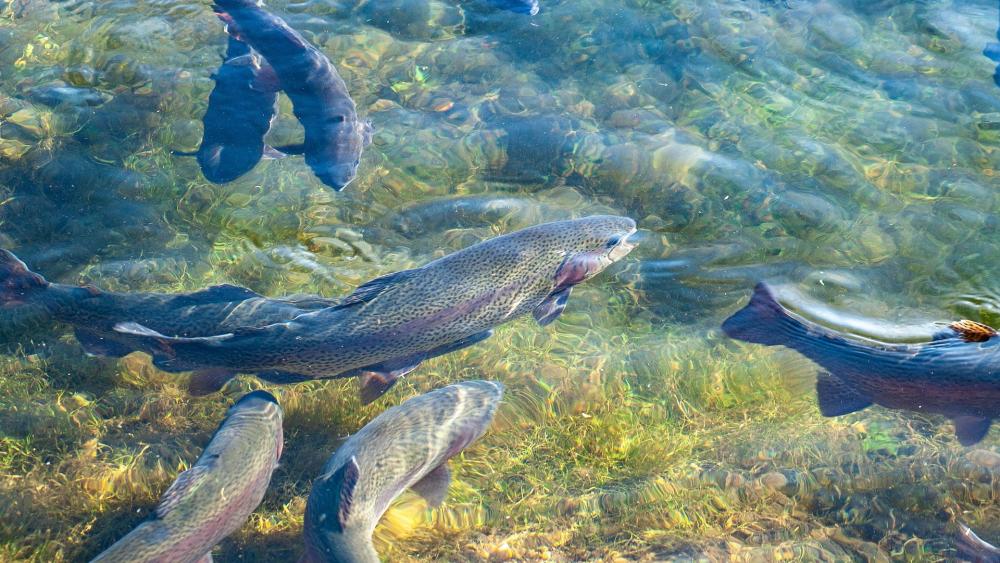
The rainbow trout is an example of a fish that is frequently found as an non-native species. In Germany, this usually has no negative consequences, whereas in New Zealand it does. | Photo: Katharina N. on Pixabay
Invasive species can pose a serious threat to biodiversity and ecosystems, but they can also bring advantages or benefits. Many previous impact assessment tools, such as the Environmental Impact Classification for Alien Taxa (EICAT) of the International Union for Conservation of Nature (IUCN), focus on deleterious ecological impacts of invasive species. The EICAT+ protocol, on the other hand, assesses positive ecological effects, while InvaCost records monetary costs. These tools capture individual aspects, but do not take a holistic view of the complex social and ecological interactions.
Joy for one, sorrow for the other
“When considering non-native species, there is rarely a simple solution. Deciding which of the numerous existing management options to apply requires weighing up the social and ecological costs and benefits in a specific context”, explained Fiona Rickowski, lead author of the study and doctoral student at IGB and Freie Universität Berlin. “Invasive species and their impacts can be perceived negatively by some stakeholders but positively by others, and these perceptions can change over time and space.”
One example of this is the introduction of fish species such as rainbow trout (Oncorhynchus mykiss) or brown trout (Salmo trutta) into many countries worldwide. These introductions were intended to increase recreational value for anglers and promote aquaculture but also led to negative impacts on native species. Similarly, some invasive plants are aesthetically pleasing but can at the same time impair native plants, insects or other species.
Social-ecological networks shed light on the complex relationships of invasive species
“Social-ecological networks, which include social and ecological actors and entities as well as their interactions, offer a suitable approach for better understanding such complex relationships”, said IGB researcher Prof. Jonathan Jeschke, senior author of the study. This approach has already been applied to a number of other complex issues, including the sustainable use of resources, the management of ecosystem services and impacts, and collective action. However, social-ecological networks have so far been used only to a limited extent in invasion science, even though the method offers clear potential for investigating human-induced introductions of non-native species, the success of invasions, direct and indirect impacts, and their management. In their article, the authors provide an overview of previous applications of social-ecological networks to biological invasions. Using a clear example, they provide guidance on how to construct and analyse such networks and outline future possibilities for social-ecological networks in invasion science.
Also read the article about the benefits and harms of freshwater megafauna >