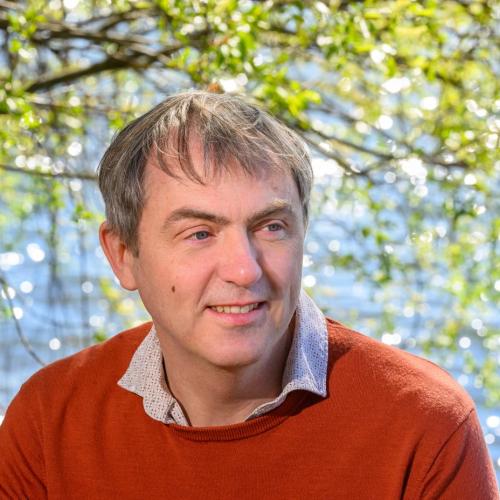

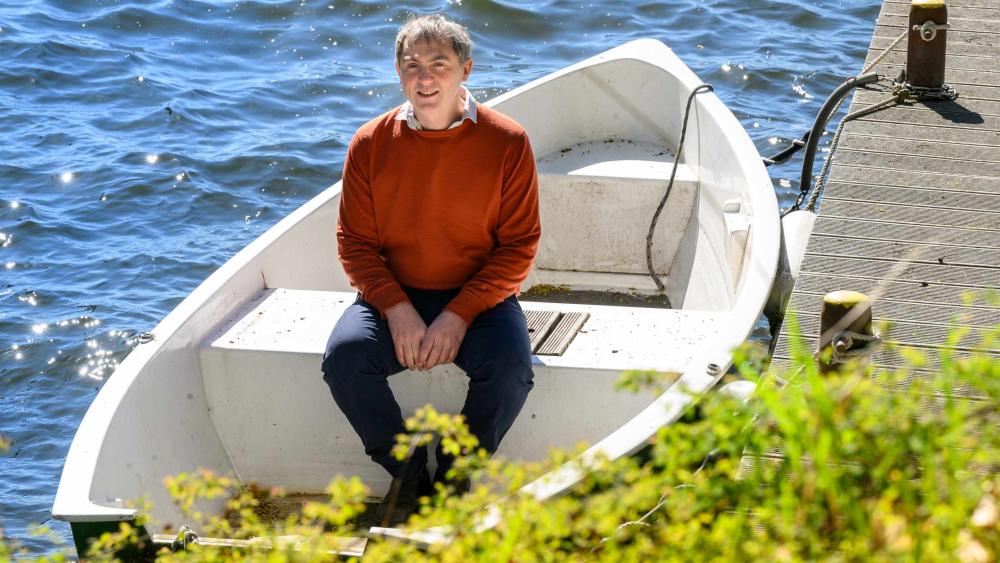
Tom Shatwell is head of the new research group "Lake Ecosystem Dynamics" at IGB. | Photo: David Ausserhofer, IGB
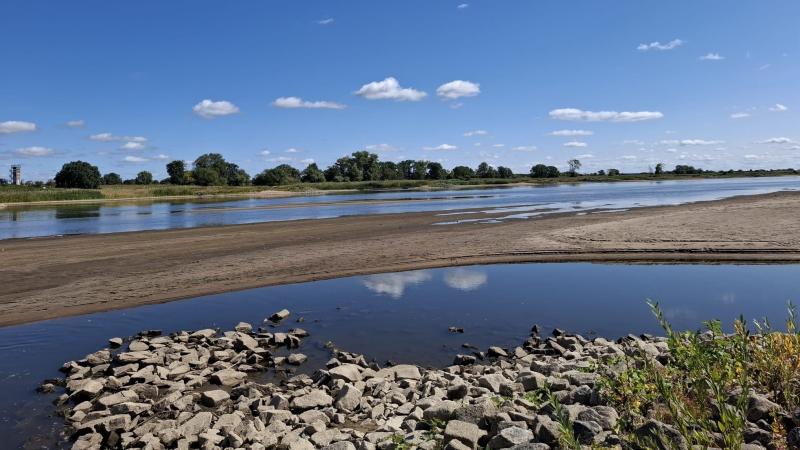
Mr Shatwell, people have been talking about lakes a lot in recent summers. Not because they are wonderful swimming spots, but because they are holding less and less water and developing massive algae blooms. How might your research improve the state of the world’s lakes in 30 years' time? (Feel free to dream.)
I hope that our research will have improved our understanding of the ecological processes in lakes and enabled us to model them more reliably, including both short-term dynamics and long-term changes. Combined with in situ measurements and remote sensing, such models could one day provide something akin to a 'forecast' for lakes, similar to a weather report. For example, it would then be possible to estimate a few days in advance when and where problematic algal blooms might develop. In the long term, I hope this knowledge will be put to practical use by water authorities and lake managers, for example, to help them protect and manage drinking water reservoirs, bathing waters and other important lakes more effectively. At the same time, I hope that we will gain a better global understanding of lakes. In many regions of the world, we still know surprisingly little about lakes and the organisms that inhabit them. I hope that our research will help to fill these knowledge gaps.
Now that you’re back in Berlin at IGB, what are your thoughts? Apart from your work and colleagues, what are you particularly looking forward to?
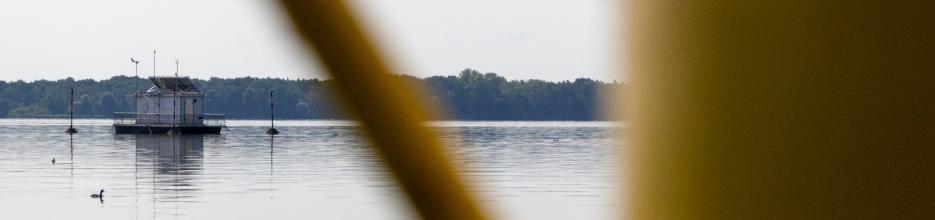
Returning to Berlin and IGB feels a bit nostalgic for me. I really enjoyed my time here and felt at home. Naturally, then, I’m very much looking forward to seeing familiar faces again. At the same time, I’m curious to see how things have developed in my absence – who the new colleagues are and what exciting new research areas have emerged. Having been away from IGB for a few years, I also hope to contribute the experiences and perspectives I’ve gained during this time to the institute. For example, I’m very pleased to be able to devote myself to basic research again. However, I am particularly looking forward to becoming more involved with Lake Müggelsee, the research station, and the long-term data. The lake and its long-term data were the focus of both my Master's thesis and my PhD. These datasets are among the world’s best long-term lake data series, and I feel privileged to be able to continue working with them.
If you hadn’t become a researcher, what would your dream job have been?
Ever since I was a child, I’ve wanted to work with water, so it’s difficult for me to imagine doing something else. At the same time, I’ve been fascinated by the question of how nature works and why things are the way they are since an early age. I find astronomy fascinating, for example. Outside of science, however, I also really enjoy hands-on work. I’d love to build things, such as furniture or musical instruments.