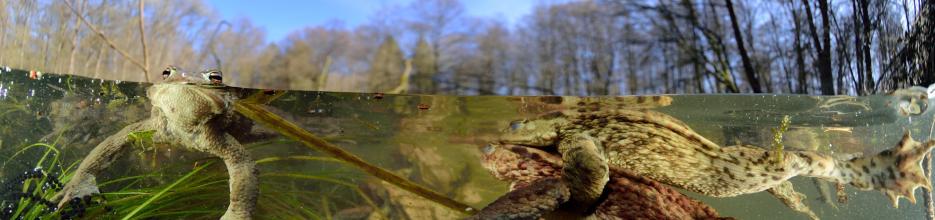

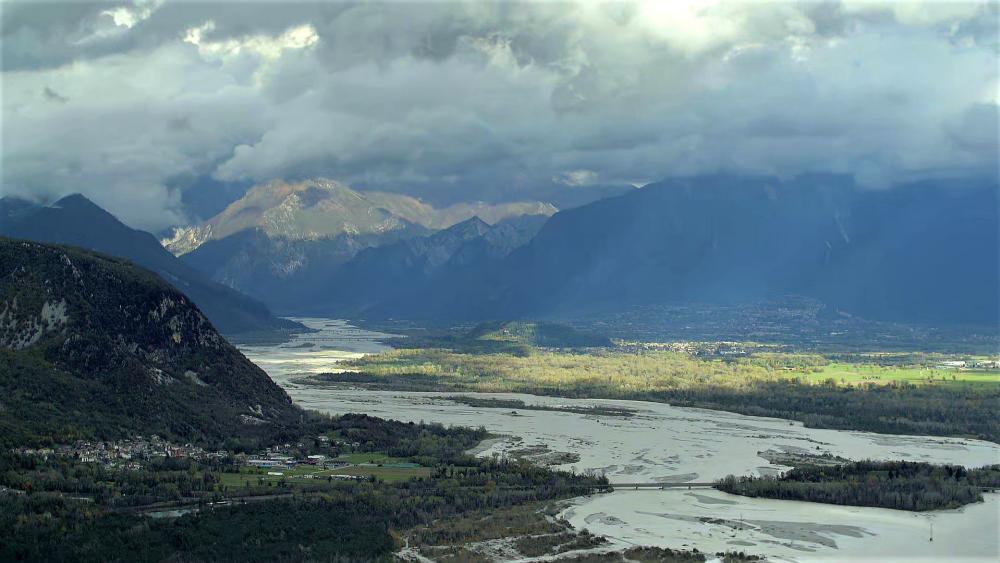
The Tagliamento River is one of the last free-flowing rivers in Europe. | Photo: Alexander Sukhodolov
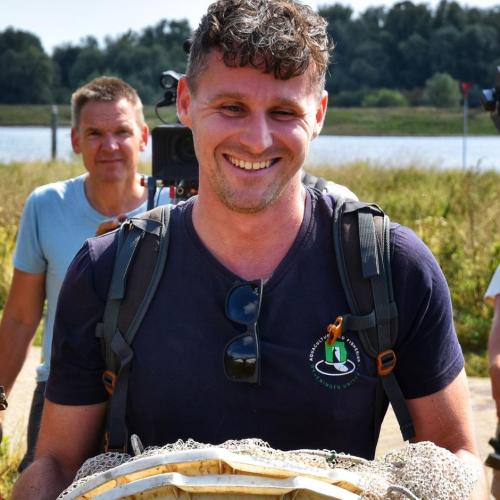
To support EU Member States in implementing the NRR, the study provides a practical, stepwise roadmap that links scientific priorities directly to policy action. It outlines how restoration can be guided through iterative stages, from diagnosing river conditions and co-designing solutions with stakeholders, to financing, implementation, and long-term monitoring. By aligning top research priorities with existing EU legislation and indicators, the framework helps translate ambitious targets into concrete, context-specific measures on the ground. “What we offer is not a one-size-fits-all solution, but a structured process that helps countries move from planning to action,” said Twan Stoffers, first author of the publication. “By linking science, policy, and stakeholder engagement in an iterative way, we provide a realistic pathway to make river restoration work in practice.”
The research team synthesized expert knowledge of researchers, practitioners, water managers, policymakers, and NGO representatives from 45 countries and identified 27 different priorities in river restoration. “This multitude of priorities demonstrates that restoration strategies cannot be universal but must be adapted to local and regional political, institutional, and ecological conditions. Building on these findings, we propose a structured prioritisation framework that links barrier removal, connectivity restoration, governance mechanisms, and policy instruments to context-specific needs“ explains Twan Stoffers.
To operationalise the developed research agenda within current EU policy frameworks such as the NRR and the EU Biodiversity Strategy, the researchers mapped the ten highest-ranked research priorities against relevant legislative articles and potential indicators. The top 3 research priorities identified are 1) enhancing riverine biodiversity and ecosystem functioning, 2) developing prioritization strategies for targeted restoration, and 3) establishing restoration standards.
River restoration is a comprehensive process that needs stakeholder involvement
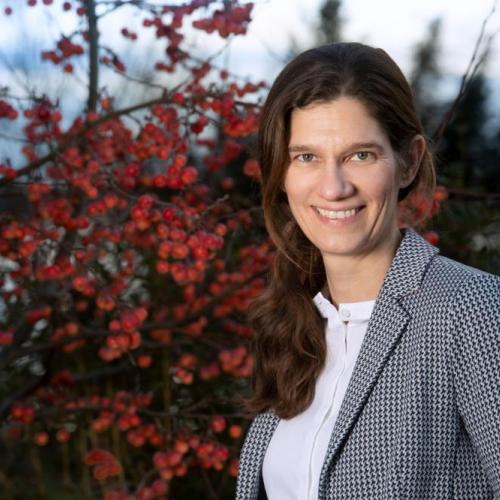
“Our results highlight the key elements of a process for restoring free-flowing rivers: setting clear targets at different scales and prioritising actions not only based on ecological potential or cost, but also on sociocultural factors, like community wellbeing.” underlined IGB scientist Phoebe Griffith, co-author of the study. “The paper shows that river restoration is a socioecological process. This means defining shared restoration goals that integrate social and ecological perspectives, and then turning those goals into collaborative action, supported by good science.”
The research team emphasises that, contrary to certain current political trends in Europe, early stakeholder involvement plays a crucial role for effective restoration and water management. In practice, this requires structured co-design processes, where scientists, policymakers, authorities and local stakeholders jointly define restoration goals, supported by participatory planning, decision-support tools, and continuous feedback through monitoring and adaptive management.
Research must also adapt to new challenges and needs
In addition, the researchers also take a self-critical look at their own field of work: Despite the growing recognition of the need for integration, genuine collaboration between natural and social sciences remains rare. Persistent barriers such as disciplinary paradigms, insufficient institutional support, and limited collaborative skills continue to constrain integration. With this new study, the authors aim to contribute to the further development of inter- and transdisciplinary approaches in river restoration.