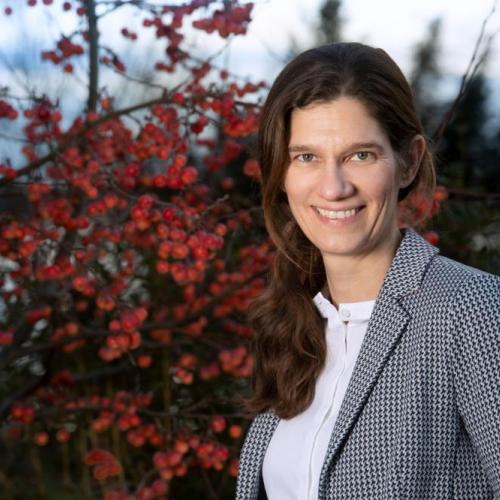

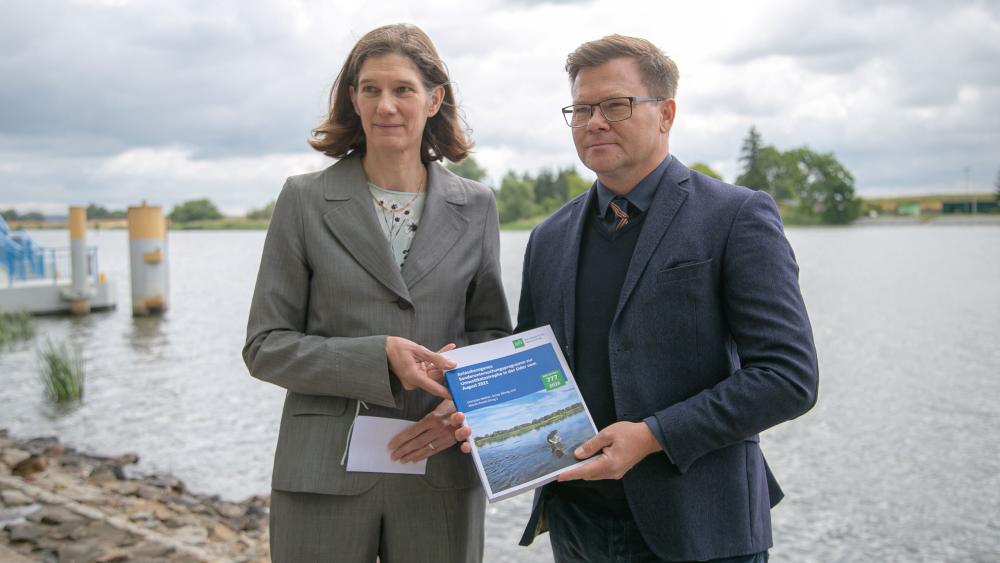
IGB Director Professor Sonja Jähnig presents the final report to Federal Environment Minister Carsten Schneider. | © Astrid Scheuermann
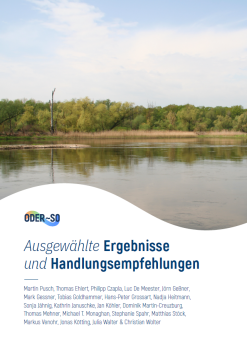
The research team in the Special Investigation Programme on the Environmental Disaster in the Oder (ODER~SO), led by the Leibniz Institute of Freshwater Ecology and Inland Fisheries (IGB), investigated the ecological consequences of the disaster, the development and recovery of the ecosystem to date, and possible preventive and restoration measures. To this end, extensive field and laboratory studies were carried out into water chemistry, algal growth, fish stocks, invertebrates and habitats in the River Oder and its tributaries, as well as on the floodplains.
Although the River Oder has recovered somewhat, the consequences of the disaster have not yet been overcome
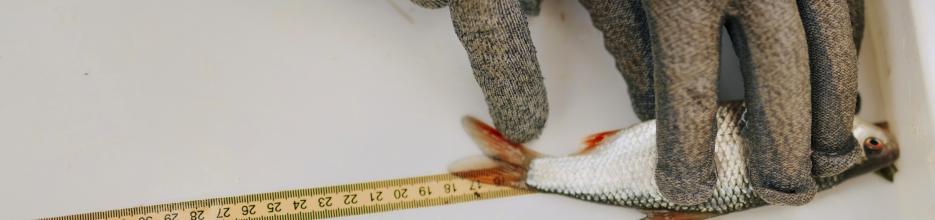
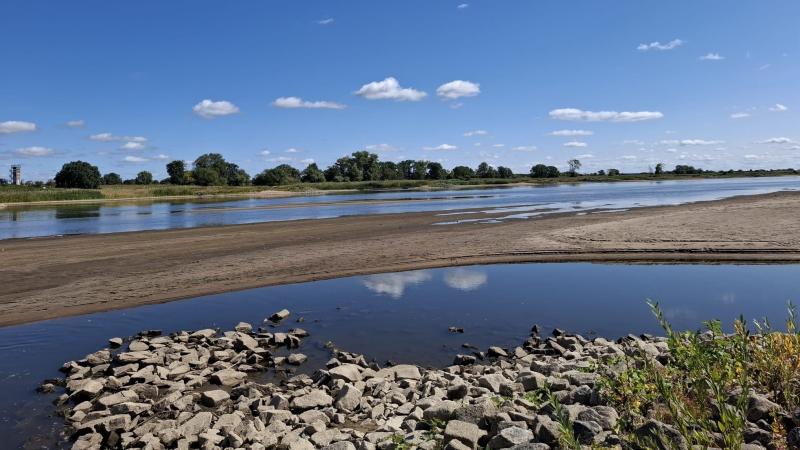
Almost four years on from the environmental disaster that struck the Oder River, differences in the recovery of various species are evident. Although fish stocks have fared relatively well, with densities in the Lower Oder expected to return to pre-disaster levels by 2026, the consequences for other species remain severe. Large freshwater mussels have been particularly badly affected, with at least two-thirds of them dying. As they reproduce slowly, it is expected to take many more years for them to recover. "This is particularly serious from an ecological perspective because large freshwater mussels filter substantial volumes of water and thus help to clean the river," said IGB Director Professor Sonja Jähnig. The results therefore show that, while the Oder’s ecosystem has recovered somewhat, the environmental disaster continues to have lasting effects.
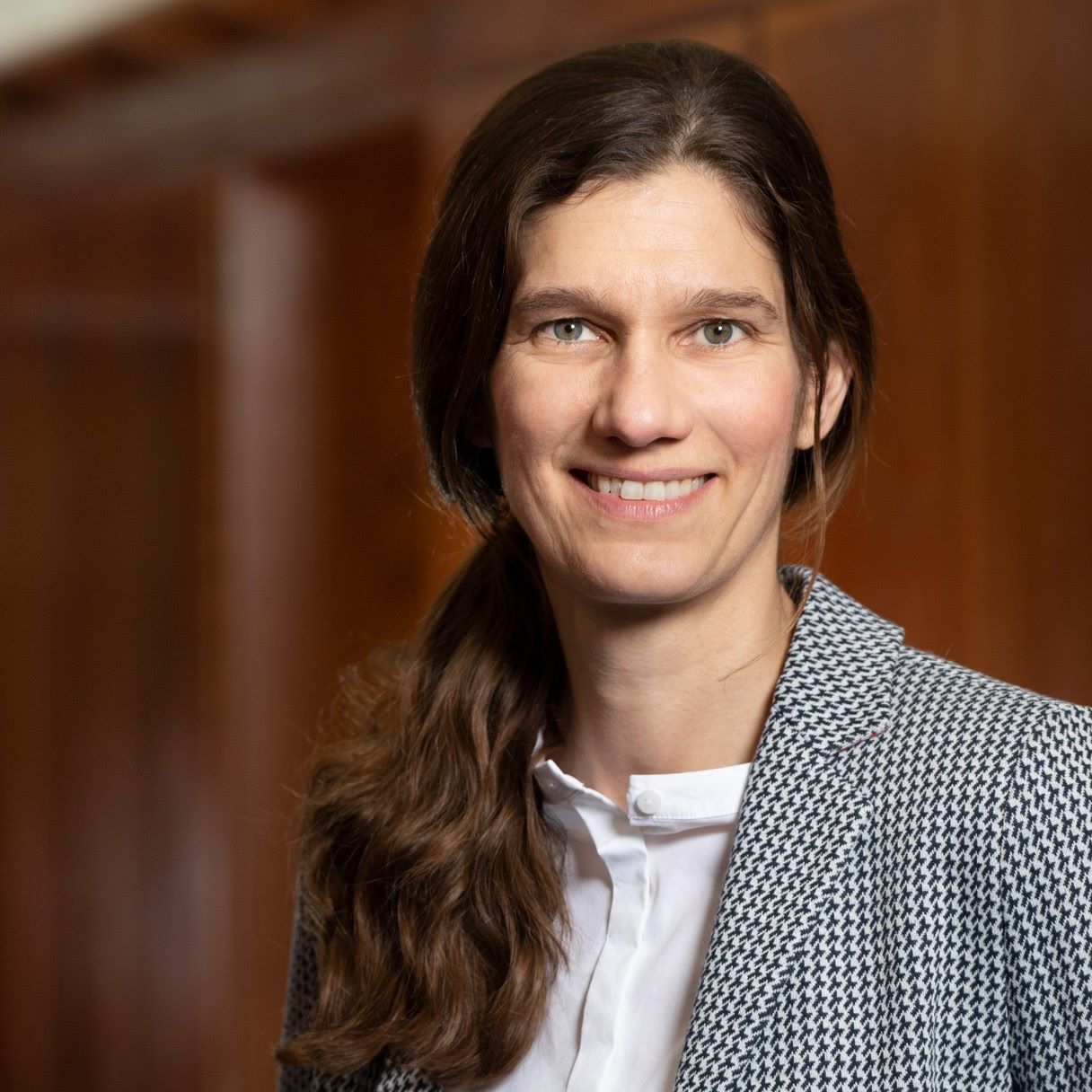
© David Ausserhofer/IGB
"The River Oder can recover. But to ensure positive, sustainable development, it needs lower salinity, fewer nutrient inputs, and more room for diverse, natural habitats."
Professor Sonja Jähnig
"The relatively rapid recovery of fish stocks was also possible because fish were able to retreat to riparian areas, tributaries and less polluted habitats. Such areas act as refuges. They serve as safe havens during an ecological crisis and as starting points for repopulation afterwards,” Sonja Jähnig explained.
More room for natural river dynamics – benefits for people and nature
These habitats could be expanded by dismantling bank reinforcements, reconnecting tributaries, keeping the polders in the Lower Oder Valley National Park open all year round and relocating dykes. Dynamic structures close to the banks, such as flooded gravel banks, are particularly significant along the main course of the Oder and are essential for species such as barbel and nase. However, they have become rare in the Oder.
“To promote such near-natural riparian habitats, existing groynes should be ecologically redesigned, for example through generous notching. This benefits not only fish stocks, but also insect larvae and other invertebrates. Generally speaking, a river with a diverse range of structures, connected tributaries and functional floodplains is more resilient than a highly uniform, heavily engineered river,” the scientist continued.
Ecological resilience instead of further river engineering measures
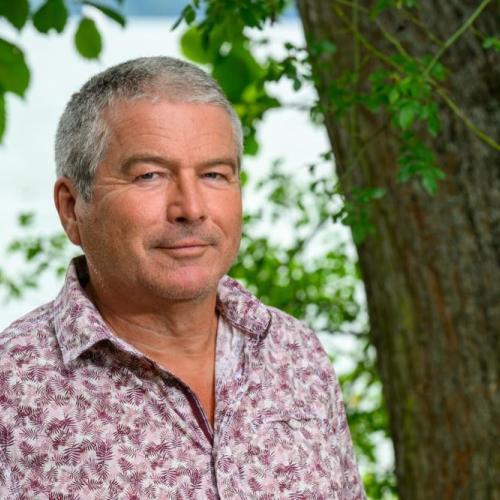
“By contrast, further engineering measures, such as the construction or upgrading of standard groynes, are ecologically harmful as they reduce the structural diversity, and therefore the ecological resilience, of the river ecosystem. The Oder River no longer plays a role as a freight waterway, and the design water level on which the river regulation plan is based is rarely reached. This calls into question whether the objectives can be achieved, suggesting that the approach should favour the revitalisation of the Oder. The Oder, which flows barrier-free for over 480 km, offers unique opportunities for ecological improvement, particularly in view of the Nature Restoration Regulation,” added Dr Christian Wolter, an IGB scientist and Oder expert who has been researching the river for decades.
“If the Oder is to have a sustainable future following the man-made environmental disaster, its salinity must be significantly reduced and the revitalisation plans for the Oder drawn up by the State of Brandenburg must be implemented. According to the law, the Federal Waterways and Shipping Administration is responsible for implementing the measures to achieve good ecological status in the Oder, for which it requires approval from the Federal Ministry of Transport,” Christian Wolter continued.
The Oder River reflects many of the challenges facing rivers across Europe
“The environmental disaster on the River Oder in August 2022 demonstrated the extent to which the river is under pressure due to the discharge of pollutants, the construction of groynes, and the consequences of climate change. The Oder thus serves as a prime example of the growing problems facing many European rivers: as they often carry less water today, discharges of pollutants must be urgently reduced and watercourses restored so that their floodplains are regularly supplied with water. This would benefit not only animals and plants. Intact rivers and floodplains provide clean drinking water, prevent flooding, store water for periods of drought, retain carbon, and support agriculture, healthy fish stocks, and attractive natural and recreational areas,” summarised Dr Martin Pusch, the IGB researcher who led the special investigation programme on the environmental disaster.
Sonja Jähnig sums it up: “The River Oder can recover. But to ensure positive, sustainable development, it needs lower salinity, fewer nutrient inputs, and more room for diverse, natural habitats. The aim must be to significantly reduce the risk of another toxic algal bloom, preserve the river’s ecological functionality, and promote its resilience in the context of climate change and growing pressure from human use.”
~
Background
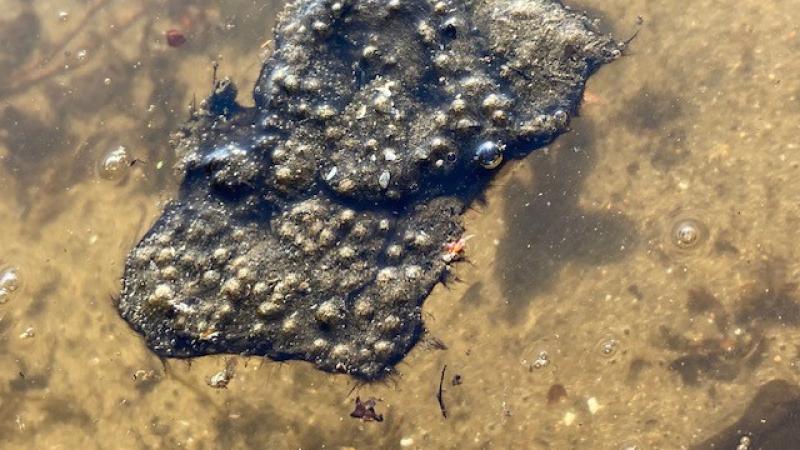
In August 2022, an estimated 1,000 tonnes of fishes and countless large mussels died in the Oder River over a stretch of more than 300 kilometres. This was caused by the massive development of the toxin-producing brackish-water alga Prymnesium parvum, which is not native to the Oder. It was able to flourish due to unnatural environmental conditions, such as high salinity caused by mining discharges, and excessive nutrient loading in the water.
Since February 2023, as part of the ODER~SO joint project (a special investigation programme on the environmental disaster in the Oder), scientists have been studying the river’s recovery and potential preventive measures for future algal blooms. The project was led by the Leibniz Institute of Freshwater Ecology and Inland Fisheries (IGB). Other scientific partners included the University of Duisburg-Essen, Brandenburg University of Technology Cottbus-Senftenberg, the Helmholtz Centre for Environmental Research and the Potsdam Institute of Inland Fisheries e.V.. The project was funded by the Federal Agency for Nature Conservation (BfN) over three years with funds from the Federal Ministry for the Environment, Climate Action, Nature Conservation and Nuclear Safety (BMUKN).
A chronicle of the man-made environmental disaster >
Further information on the algae Prymnesium parvum
How the toxic algae harmed the fish >
A chemical cocktail of micropollutants amplified the effect of algal toxins >